Slovenia’s Lakes and Forest Paths: Planning a Gentler Alpine Escape
Slovenia’s lake landscapes invite a simple kind of travel: walk beside water, climb a little for a different view, then spend an unhurried hour in a nearby settlement. The challenge is keeping that simplicity when several famous places appear close together on a map.
A different way to arrive
Slovenia’s lake landscapes invite a simple kind of travel: walk beside water, climb a little for a different view, then spend an unhurried hour in a nearby settlement. The challenge is keeping that simplicity when several famous places appear close together on a map. Bled and Bohinj offer different experiences, and neither needs to be reduced to a brief stop between photographs. Choose one lake as the focus and let forest paths provide the contrast.
Distinguish Bled from Bohinj
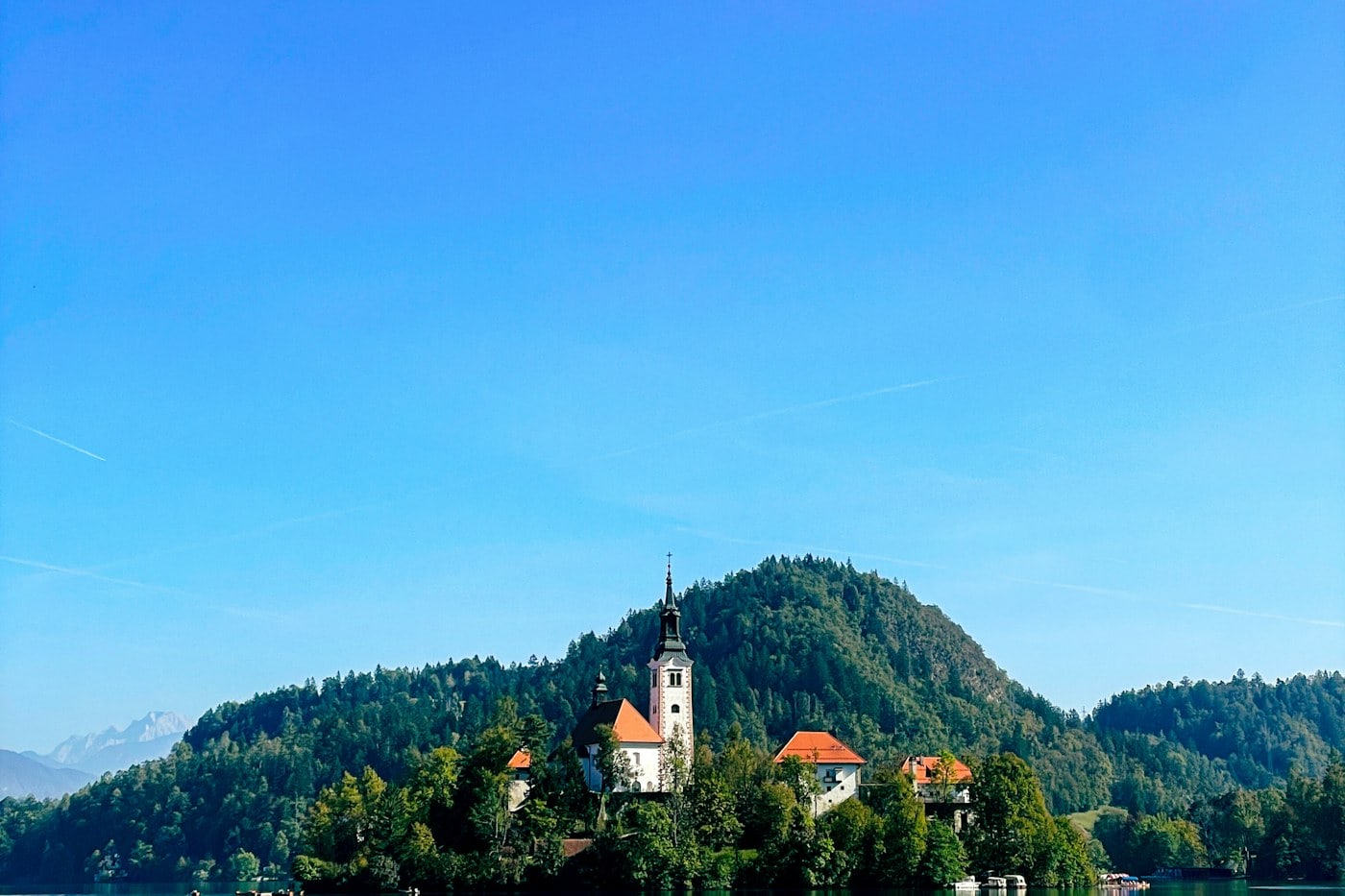
Lake Bled and Lake Bohinj are often grouped together, but their settings and visitor patterns differ. Bled has a compact, highly recognizable scene with an island and castle above the water. Bohinj sits deeper in an Alpine valley with a broader sense of mountain surroundings. Decide whether your priority is a town-and-lake walk or a more landscape-focused base. Moving between them is possible, but it should serve a purpose beyond checking off both names.
Spend a full walking window at one lake before deciding whether a second destination will improve the trip.
Use a lakeside walk to understand the setting
A path beside a lake allows the view to develop gradually. The same mountain or building changes position as you move, and quieter sections may feel quite different from the main arrival area. Check the current route and access information rather than assuming the entire shoreline is continuously open. Shared paths and busy sections require patience. A partial out-and-back walk can be as satisfying as completing a circuit.
Choose a turning point that fits the group and keep track of the time needed to return before adding a viewpoint detour.
Treat a viewpoint as a separate walk
A short distance from the shore to a viewpoint may include steep climbing, uneven ground, or exposed sections. Read the route description and assess the descent, not merely the expected view. Wet roots and rocks can change the difficulty. If the path does not suit the group, stay at lake level and enjoy another angle from public shore access. A famous photograph is not a reason to override conditions or ability.
Select footwear for the actual surface and turn back before a doubtful section rather than continuing because the summit appears close.
Give forest paths their own attention
A woodland walk is more than a connector between the car park and the water. Notice the shift in light, the texture of the path, and how sound changes beneath trees. Signed local routes can provide a modest outing without requiring a high mountain objective. Check for closures, fallen trees, or weather-related restrictions. Keep to designated paths where required, especially in protected areas and places with sensitive ground.
Choose a clearly described route with a known return and allow time to stop without leaving the path or disturbing plants.
Understand the national park setting
Parts of the wider Bohinj area connect to Triglav National Park, where visitor behavior should reflect the protected landscape. Use the park authority’s current guidance for trails, access, waste, and permitted activities. A national park designation does not mean every path is suitable for a casual lake visitor. Higher routes require different preparation. Distinguish a valley stroll from a mountain hike before packing or setting expectations.
Consult official park information and keep the day within the terrain and conditions for which the group is prepared.
Plan arrival and movement deliberately
Popular lake areas can experience pressure on roads and parking. Check current official local transport and parking arrangements before setting out. A bus connection or a stay within walking reach may simplify the day, but services must be verified rather than assumed. Arriving with a clear plan reduces the temptation to stop in an unsuitable place. Leave access roads and residential entrances clear even when a nearby view is appealing.
Identify the authorized arrival point and a realistic alternative in advance, especially during busy travel periods.
Let a village meal slow the afternoon
A seated meal in a nearby settlement can give the day a welcome change of scale. Rather than driving immediately to another lake, use the break to review the weather and remaining energy. Look for a menu and opening arrangement that fit your needs, keeping an uncomplicated backup. Food should support the walk rather than become another elaborate detour. A short public-street loop afterward can connect the landscape with everyday local life.
Carry a modest picnic alternative when appropriate and follow local guidance on where eating and waste disposal are permitted.
End with one more look from the shore
The final view need not be the most dramatic one. A short return to the water after a forest walk can reveal how the light and wind have changed. Sit in a permitted place, let other visitors pass, and notice the landscape without reorganizing it around a camera. Keeping the return journey manageable helps preserve that calm. The lake will be remembered more clearly if the day has not become a series of rushed transfers.
Save a short, level final stretch and leave enough time for the actual return connection, especially when using scheduled transport.
Bled’s island scene and Bohinj’s valley scale
At Bled, the island and the castle above the lake create two strong visual reference points. A shoreline walk can explore how those points change position without needing to add every activity available around the water. Decide separately whether an island visit or a castle visit genuinely interests you, then check official arrangements. Each adds time and a different type of movement. A lakeside café break can be enough if the main purpose is walking. Bled’s cream cake is a familiar local specialty, but choosing a place to try it should fit the route rather than become another long detour.
Bohinj’s setting is broader, with Lake Bohinj lying within an Alpine valley connected to Triglav National Park. Ribčev Laz, near the eastern end, provides a recognizable orientation point around the bridge and church area. From there, choose a suitable shoreline section using current official information. The park describes the lake as Slovenia’s largest natural permanent lake, a fact that helps explain why a complete circuit is a more substantial choice than a brief glance at the map may suggest. A partial walk can be planned deliberately and still reveal the landscape’s scale.
Stara Fužina and the Mostnica Gorge area offer another Bohinj direction, but a gorge walk should be assessed independently of a gentle lakeside outing. Check access, conditions, surfaces, and any visitor arrangements before setting out. Narrow or wet sections can change the character of the walk, and a scenic name does not establish suitability for every group. The higher mountain routes above Bohinj require a further level of planning and should not be treated as spontaneous extensions. This distinction is useful throughout the region: lake shore, forest route, gorge, and mountain hike are different experiences. Select one principal type for the day and add another only when its demands are understood. Slovenia’s variety is most enjoyable when each landscape is given an appropriate pace, leaving time to see how settlements, water, and forest fit together rather than racing between them.
The bridge and church setting at Ribčev Laz can be busy because it is such a recognizable arrival point. Use it to orient yourself, then move to a suitable public walking route rather than remaining in the main flow for a long photo session. The lake will offer other angles as the walk develops. At Bled, the same principle applies near the most familiar island views: the first clear position is not the only place worth looking from. Keep access clear, remain on permitted surfaces, and let the shoreline create variety. This approach improves both the visitor experience and the way a popular lakeside space is shared.
A lake day that can shrink or expand
Begin with a shoreline section that is suitable for the whole group and has a clear return. At Bled, the familiar island and castle create strong orientation points, while at Bohinj the surrounding valley and mountains shape the view. In either setting, allow the walk to reveal changes gradually. A short outing can expand if conditions, access, and energy are favorable, but it should also feel complete if you turn back at the first planned point. This is especially useful when traveling with people whose walking preferences differ. Agree on the turning point before anyone feels pressured to continue.
A forest route can provide the afternoon contrast, but choose it for its actual description rather than the assumption that trees guarantee an easy path. Check the surface, gradient, and current status. A short signed loop may offer the right balance after a morning beside the water. If a viewpoint involves a steep climb, make that a separate decision and assess the return. There is no need to add height merely to validate the day. The view from lake level can be equally rewarding when attention shifts from a single landmark to the relationship between shore, forest, and mountain.
Use a meal break to decide whether the afternoon needs another walk at all. A nearby village, a comfortable place to sit, and a simple return may be the better choice. The strongest lake memories often come from time that was not tightly programmed: watching wind move across the surface or noticing how the shoreline changes with light. Keep those pauses within permitted public areas and leave vegetation undisturbed. Check transport and parking arrangements before the final leg so that the calm of the lake is not followed by an avoidable rush. Slovenia’s compact appearance on a map is an invitation to explore thoughtfully, not a requirement to visit every nearby landscape in a single day.