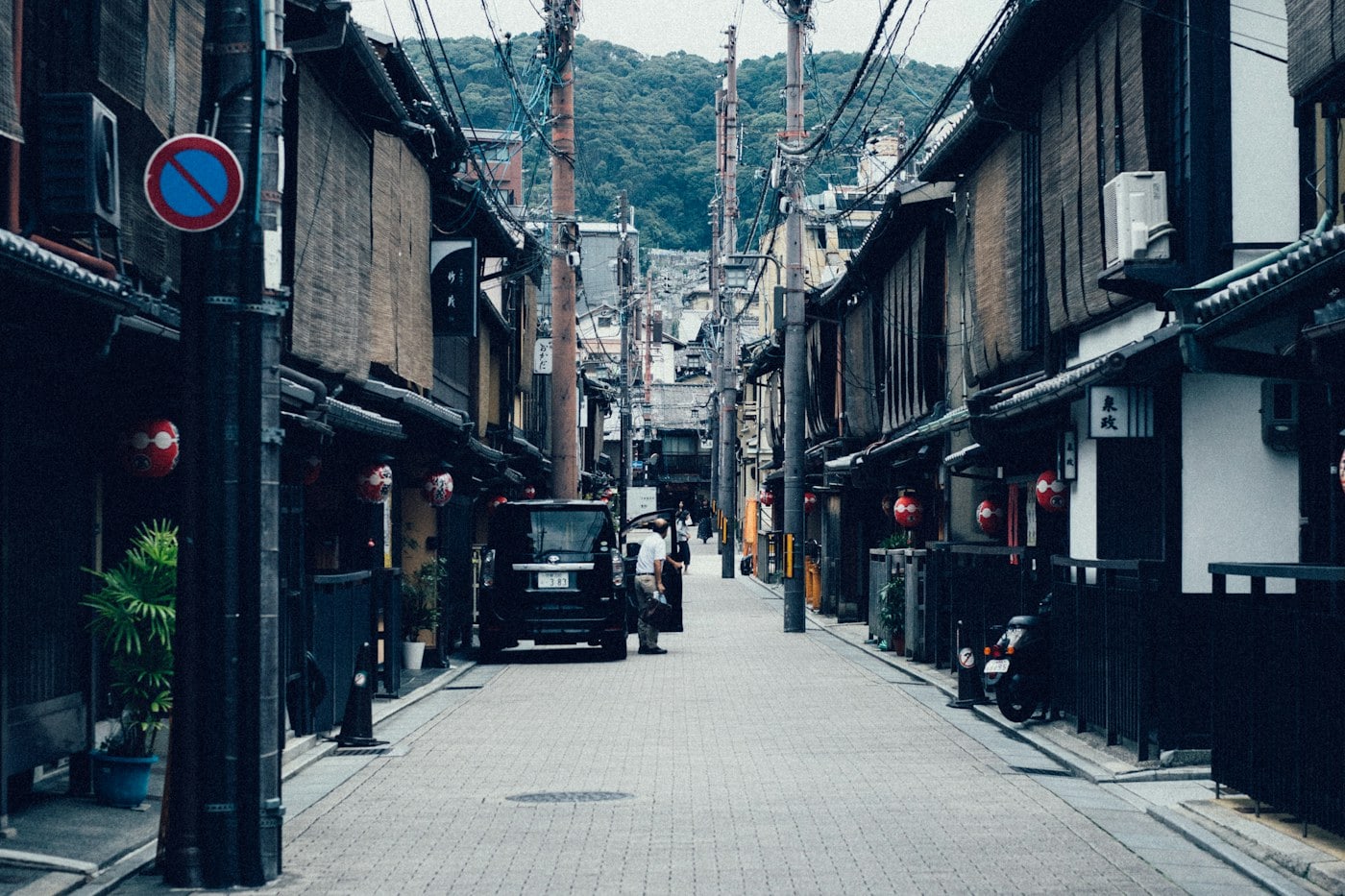
Kyoto, Japan
Kyoto rewards a traveler who can leave space between landmarks. A narrow canal, the sound of a bicycle bell, and a shop curtain moving in the breeze often explain the city better than another hurried photograph of a famous gate.
8 min read · City & Culture
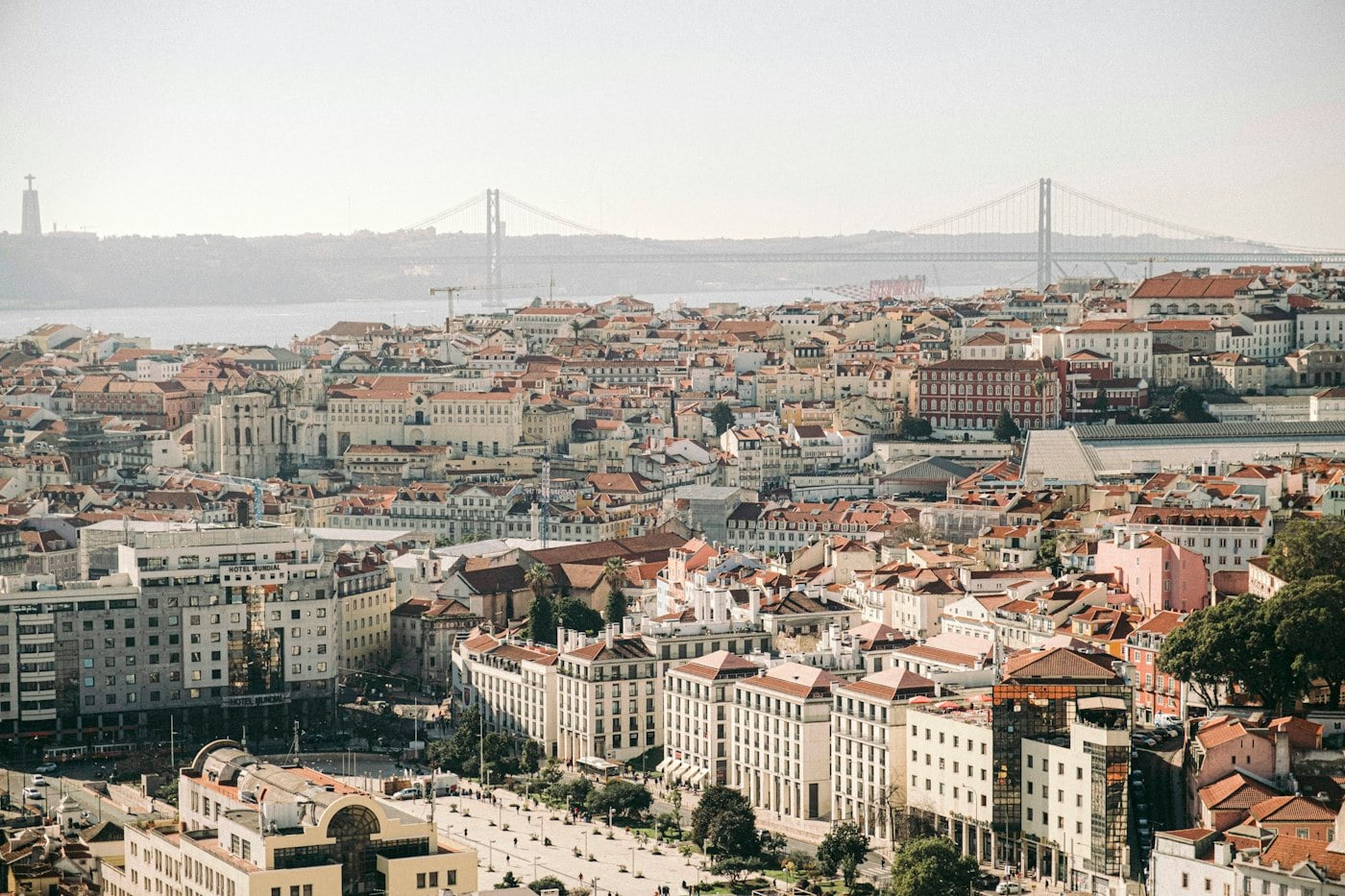
Lisbon, Portugal
Lisbon is easier to enjoy when its hills become part of the plan instead of a surprise. The city turns toward the Tagus in terraces, stairways, tiled facades, and streets that seem to change direction just as a view appears.
8 min read · City & Culture
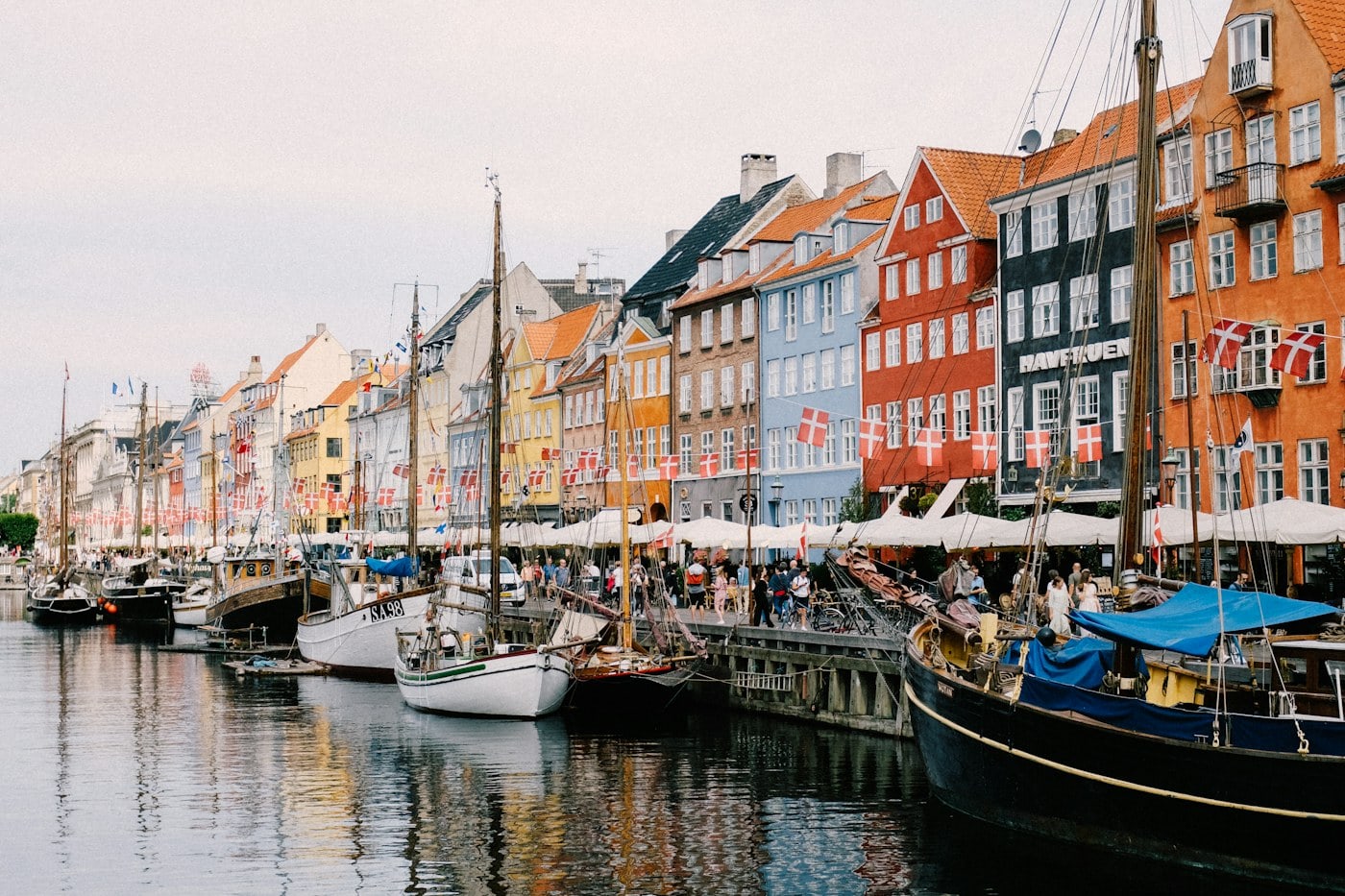
Copenhagen, Denmark
Copenhagen makes the bicycle seem like an obvious way to see a city. That impression is useful, but a visitor’s relaxed sightseeing pace must fit around people who are simply going to work.
8 min read · City & Culture
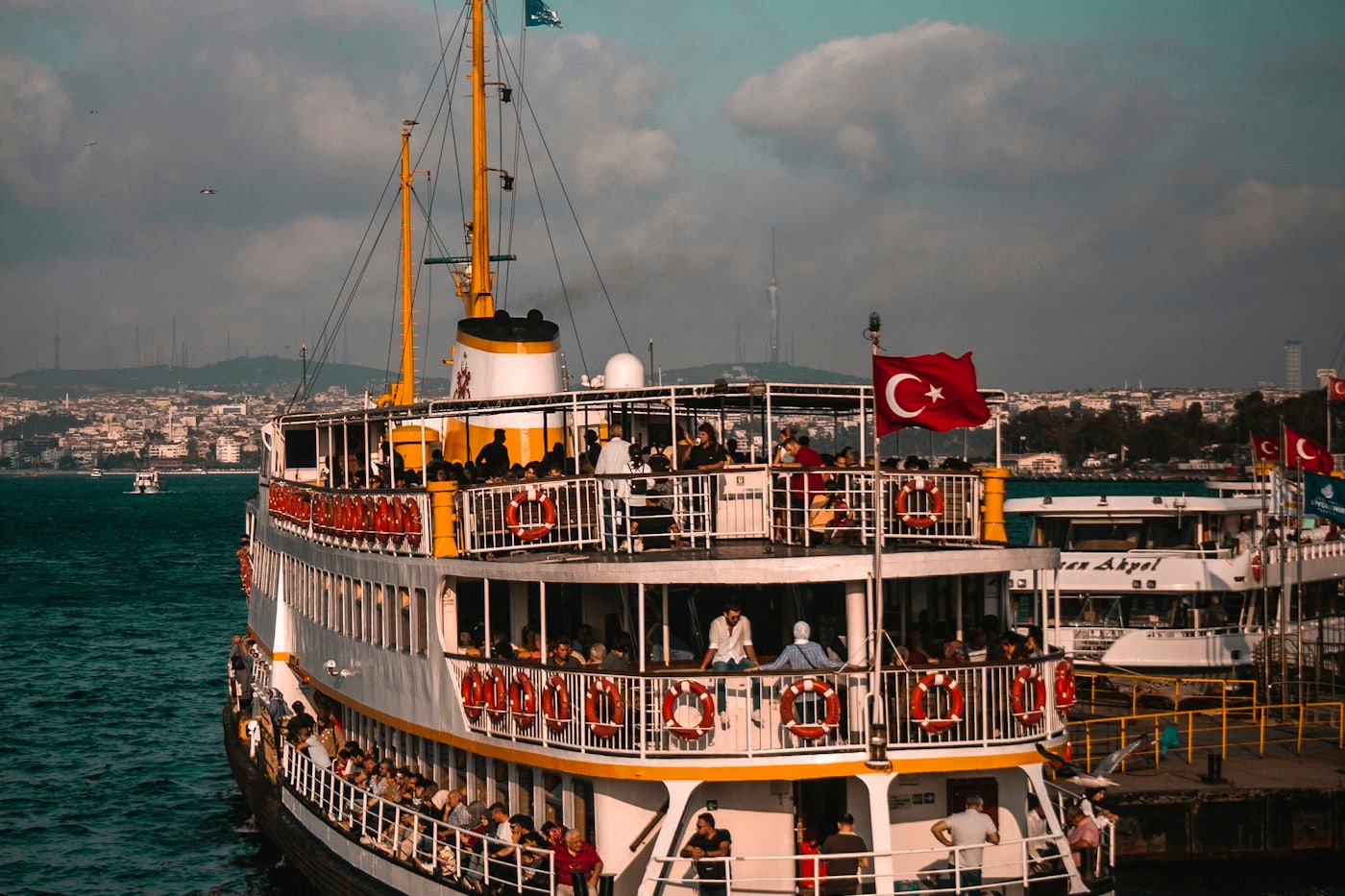
Istanbul, Türkiye
Istanbul’s ferries give a journey room to breathe. They connect working districts across water that is also a busy transport corridor, offering a different sense of distance from the roads and rail lines.
8 min read · City & Culture
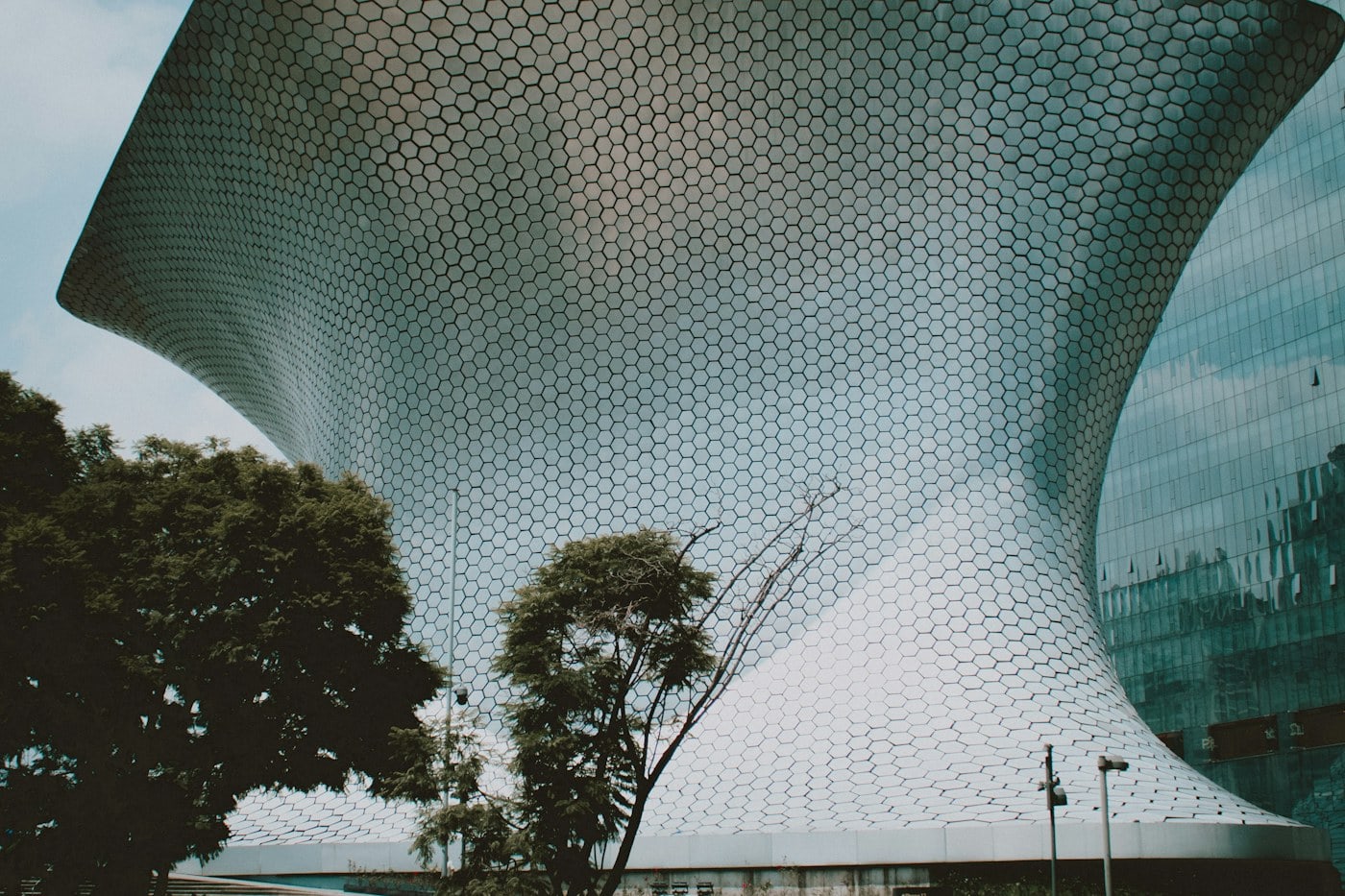
Mexico City, Mexico
Mexico City’s museums can easily fill a trip, but visiting several substantial collections in one day rarely gives each its due. Courtyards offer a useful organizing idea: places where architecture, light, and a quieter interval help connect what is inside to the city outside.
8 min read · City & Culture
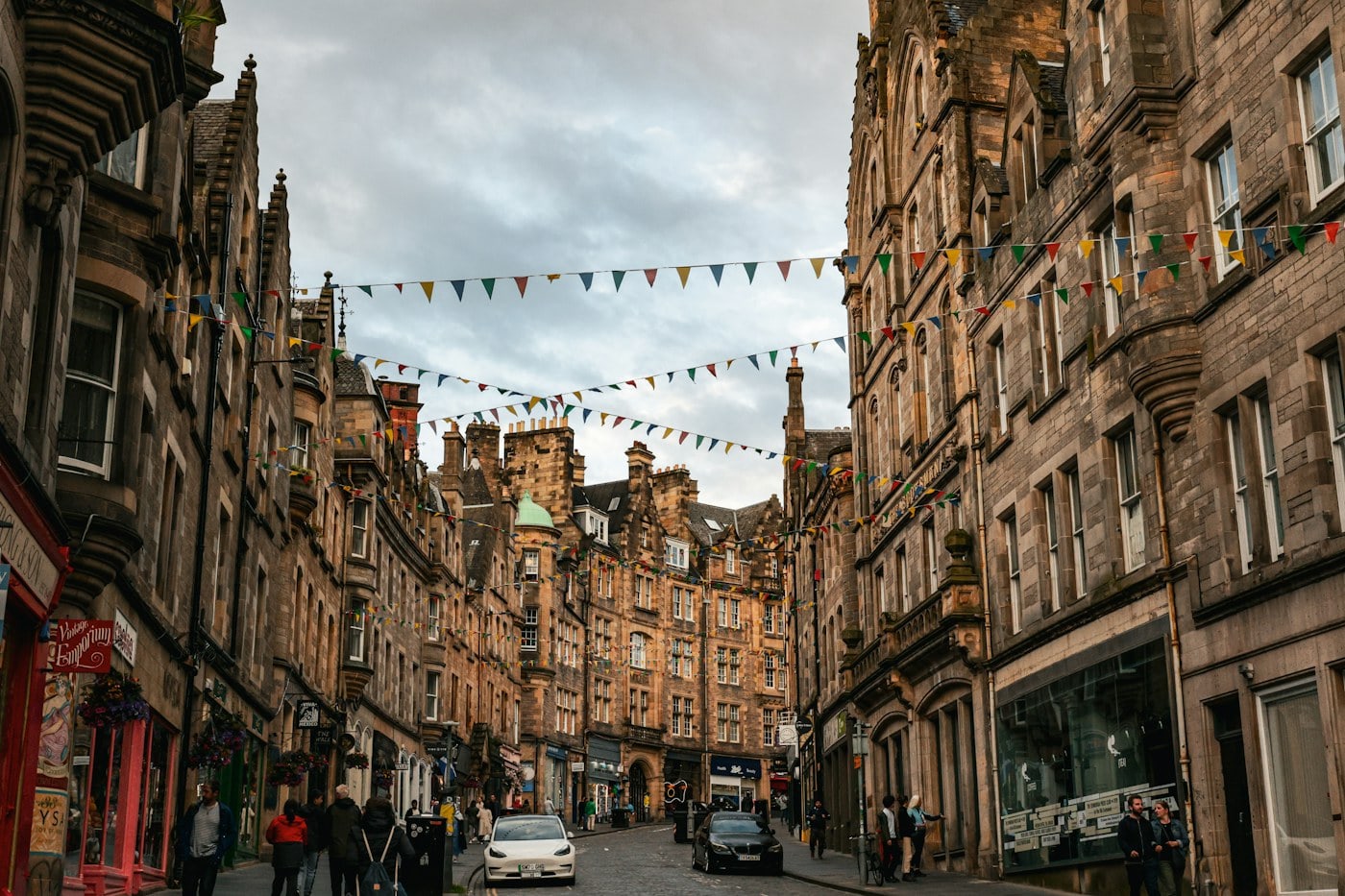
Edinburgh, Scotland
Edinburgh’s Old Town makes more sense when viewed as a ridge with streets falling away on either side. The Royal Mile provides a clear line, but much of the interest lies in the changes of level, narrow passages, and sudden views around it.
8 min read · City & Culture
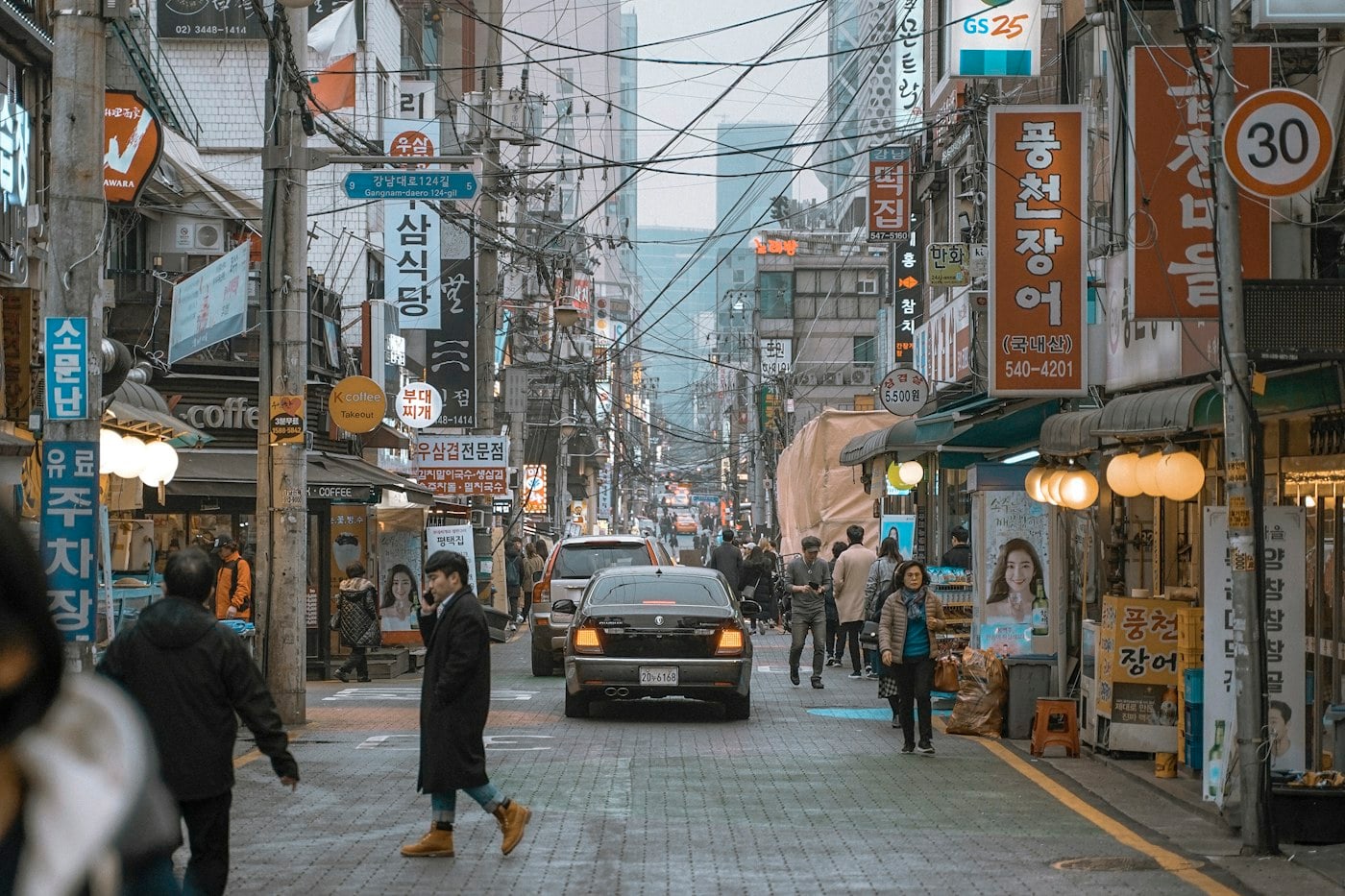
Seoul, South Korea
Seoul is often described through contrasts, but a walk at street level reveals something more connected: small businesses beside major roads, old street patterns linked to rail stations, and neighborhoods with distinct daily rhythms. Markets and alleys provide a useful way to explore, as long as they are approached as working places.
8 min read · City & Culture
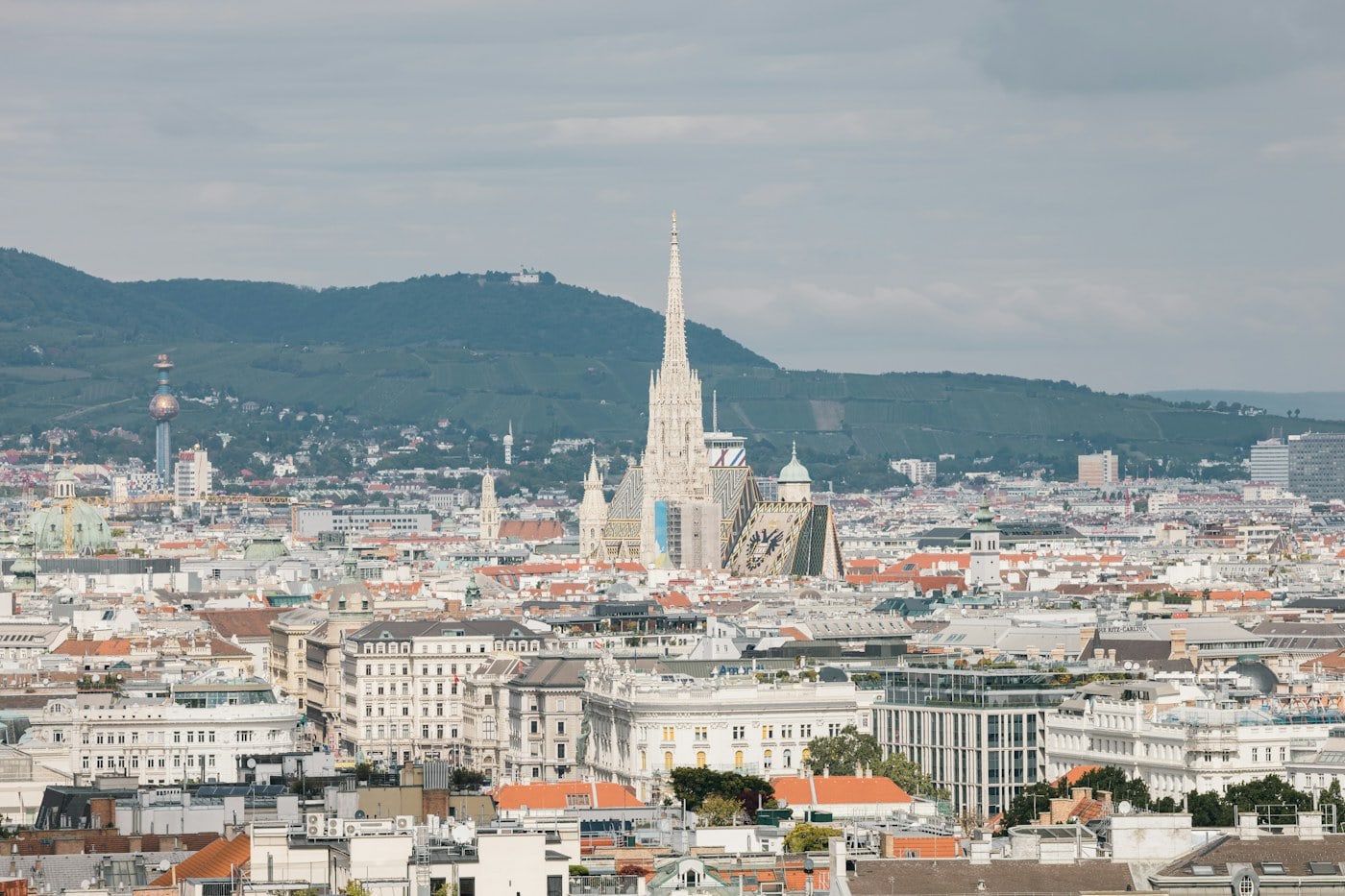
Vienna, Austria
A Vienna coffeehouse can be a place to read, talk, or watch the room gradually change. It works less well as a landmark to photograph before rushing to the next one.
8 min read · City & Culture
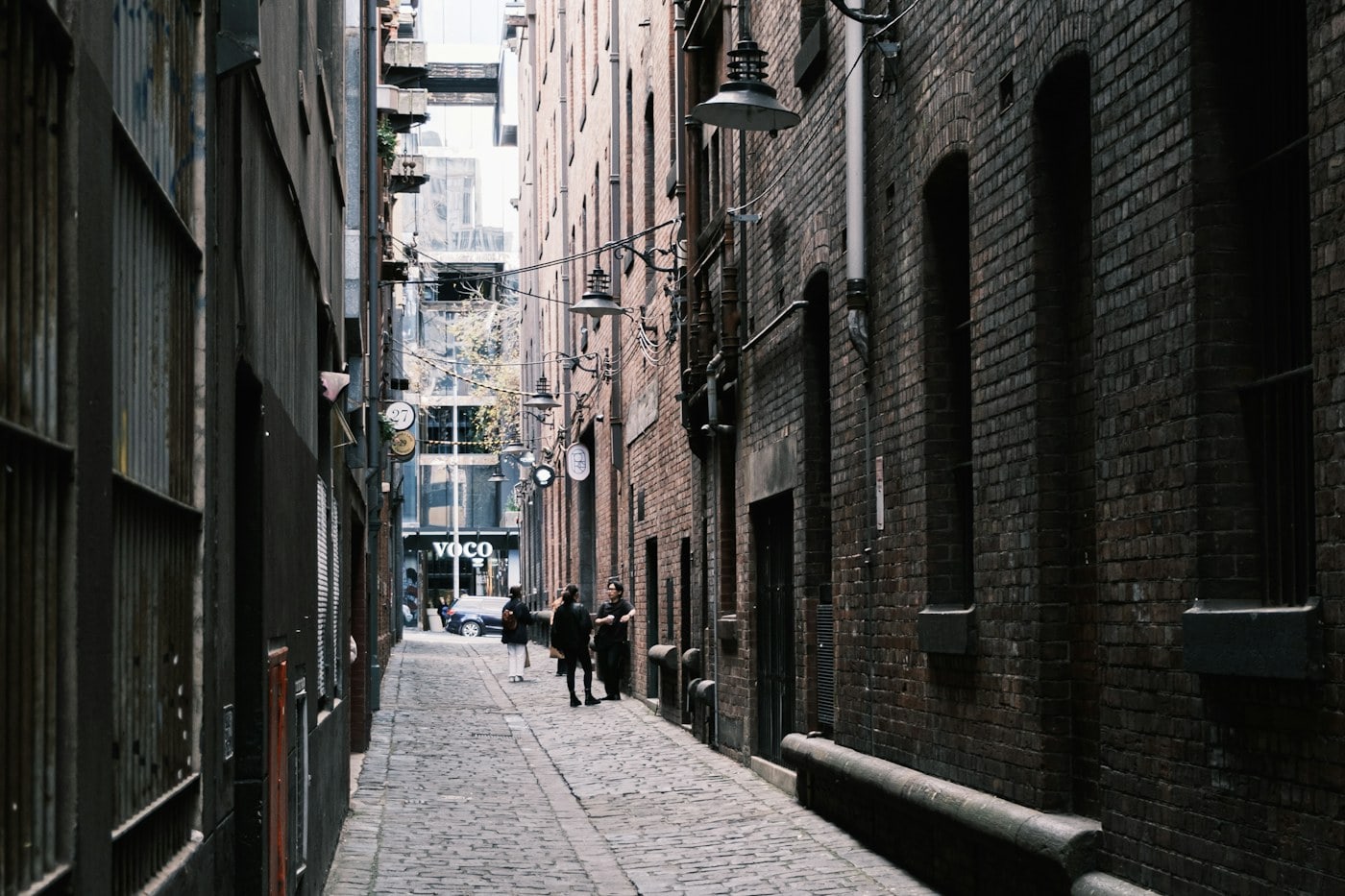
Melbourne, Australia
Melbourne’s central grid is easy to recognize, but the smaller spaces inside its blocks create a more varied walking day. Laneways, arcades, and short pedestrian connections bring food, street art, shops, and ordinary service activity close together.
8 min read · City & Culture
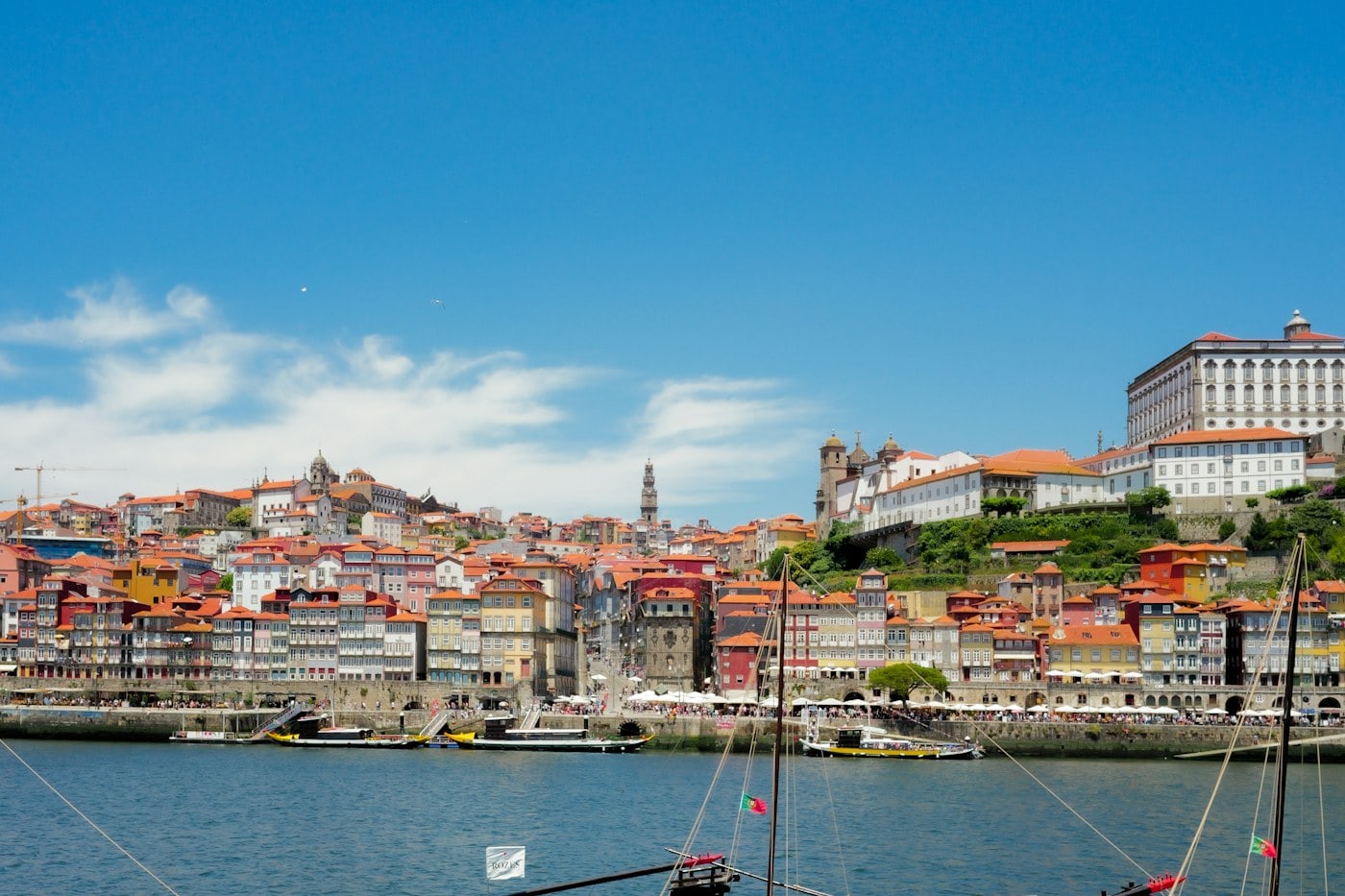
Porto, Portugal
Porto’s riverfront is the scene many visitors know first, but the city’s character depends just as much on the steep streets above it. A good walk connects those levels without turning every climb into a challenge.
8 min read · City & Culture