Porto from River to Ridge: A Slow Walk Through a Layered City
Porto’s riverfront is the scene many visitors know first, but the city’s character depends just as much on the steep streets above it. A good walk connects those levels without turning every climb into a challenge.
A different way to arrive
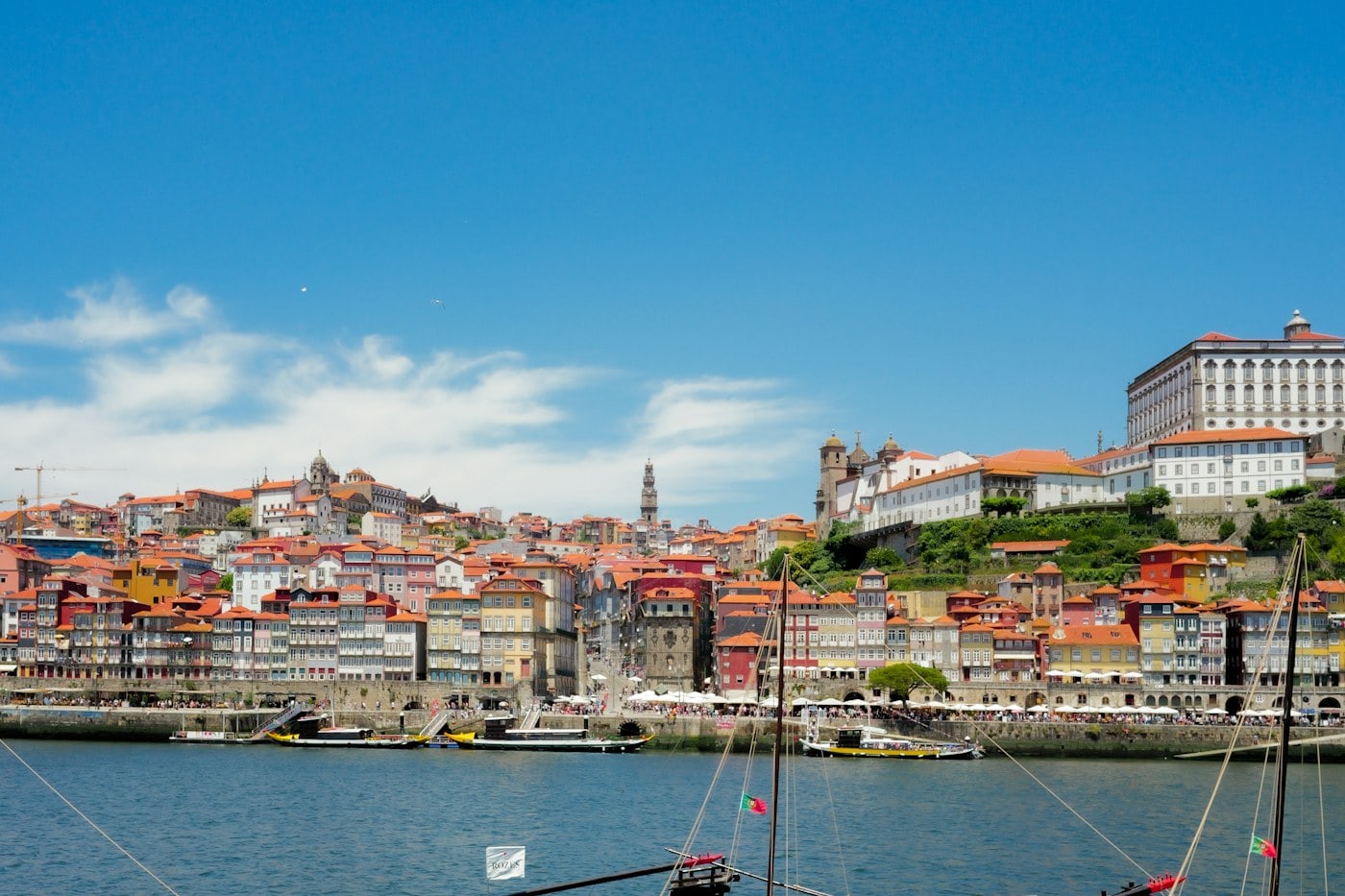
Porto’s riverfront is the scene many visitors know first, but the city’s character depends just as much on the steep streets above it. A good walk connects those levels without turning every climb into a challenge. Begin with a clear idea of where the Douro sits, choose one or two upper-city stops, and let the descent toward the water give the day its shape. The river will feel more interesting when the streets behind its facades are familiar.
Plan with the slope in mind
Porto’s compact center can disguise the effort required to move through it. A short line on a map may include steep streets, stairs, and uneven paving. Choose whether to begin higher up and descend or start at the river and climb while fresh. Either can work, provided the return is considered. An accommodation address should be assessed for the actual luggage route, not just its distance from a landmark.
Select a comfortable first climb and keep a lower-effort alternative available when rain or tired legs make the paving difficult.
Begin around an upper-city landmark
An easily recognized square or station area provides a useful starting point. São Bento is one familiar anchor, but busy entrances and station users need space. If you visit an interior, follow current access arrangements and take time to understand the setting rather than treating it only as a photographic backdrop. From there, a few nearby streets can establish how the city falls toward the river.
Keep the initial loop small and avoid blocking circulation while looking at architectural details or deciding which direction to take.
Let tiles belong to buildings
Porto’s tiled surfaces are compelling, yet they gain meaning from their relationship to windows, stonework, rooflines, and the street. Look at the entire facade before moving closer to a pattern. Residential buildings should be treated with particular care: a beautiful doorway is still someone’s entrance. Vary your observations between decorative details and broader views, rather than searching for an uninterrupted sequence of picture-perfect walls.
Photograph from public space without standing in traffic, and avoid pressing close to occupied windows for a better angle.
Walk down toward Ribeira
The route toward Ribeira makes the city’s vertical structure clear. Streets tighten, views appear between buildings, and the river gradually becomes the organizing feature. Choose a signed public route and accept a few turns instead of relying on a direct descent. Narrow pavements can be busy with residents, deliveries, and other visitors. Take pauses in suitable spaces, especially when wet surfaces demand attention.
Pick one public riverside arrival point and leave time to enjoy it, rather than making the descent merely a hurried link between attractions.
Spend time beside the Douro
Ribeira’s riverfront invites a longer pause. Look across to Vila Nova de Gaia, watch how boats and bridges occupy the water, and notice the steep arrangement of buildings behind you. The waterfront can be crowded, with restaurant tables and people stopping for views. Keep moving routes open and choose a proper place to sit. A quiet moment is more likely when you are flexible about the exact spot.
Decide whether lunch belongs on the riverfront or on a nearby street, keeping a second option when the busiest terraces do not suit you.
Cross only with a route in mind
The Dom Luís I Bridge is a major part of Porto’s landscape, but the experience depends on which level and approach you choose. Understand the permitted pedestrian route and the connections at both ends before starting. Stay aware of traffic or light rail where relevant and keep away from operational areas. A bridge crossing should connect two useful parts of the day, not leave you wondering how to reach the next level.
Check the current public access arrangements and identify your route back before crossing, particularly if stairs or gradients are a concern.
Give Gaia more than a distant look
The south bank offers a different perspective on Porto’s stacked riverfront. A short walk can be enough to appreciate the change in viewpoint without building an entire second itinerary. The area is associated with wine cellars, but a visit is optional and not required to enjoy the waterfront. Choose experiences according to your interests and follow each venue’s visitor arrangements. Keep the day’s main emphasis on the city and river if that is what brought you.
Use a clear turning point on the bank and leave enough time for the return connection rather than extending the walk simply because the view continues.
Finish before the final climb feels endless
Porto’s evening return deserves the same thought as the morning route. A comfortable meal near a straightforward connection can be more appealing than another distant viewpoint. If returning uphill, allow time and choose a route with manageable gradients. The city’s strongest impression may come from seeing how a familiar upper street connects to the river below. Repeating a short section can deepen that understanding.
Save the return directions while seated, and use current transport information if a walking climb no longer fits the day.
From São Bento to the Douro through real street connections
São Bento provides a recognizable starting point for an upper-city walk. Its tiled interior is a major interest, but the station also serves passengers, so keep circulation clear and follow current access guidance. Outside, choose whether the next focus is the cathedral area or the route toward Rua das Flores. These are not merely lines between attractions: the changes in street width and gradient reveal how the city is arranged above the river. Take a moment to identify the lower direction and the eventual return connection before allowing the walk to become a succession of unplanned descents.
The area around the Sé offers a different view of Porto’s height and density. An exterior walk can be worthwhile even when an interior visit does not fit the plan. Continue only along clearly public streets, and be prepared for steps or uneven surfaces on routes toward the historic riverside. Rua das Flores and Largo de São Domingos can provide a more legible commercial sequence, depending on the route chosen. Keep a meal option nearby rather than crossing the city in search of one specific table. A seated break is particularly useful before the last descent to the Douro.
At river level, Ribeira and the opposite Cais de Gaia offer complementary perspectives. The Dom Luís I Bridge connects the banks, but the upper and lower approaches have different implications for the walk. Understand the actual pedestrian route before crossing and follow signs around transport operations. Jardim do Morro, on the Gaia side above the water, belongs to a higher-level experience rather than a simple continuation of the lower riverside. Include it only when the climb or connection suits the plan. A riverbank walk can be complete without reaching another viewpoint. Porto’s most useful lesson is the relationship between levels: station and squares above, narrow streets in between, and the Douro below. A route that makes those transitions deliberately will feel more coherent than one that repeatedly climbs and descends to chase a list of images.
Miragaia offers another riverside direction west of Ribeira, with its own streets and relationship to the waterfront. It can be considered as an alternative short extension when the route and conditions suit, rather than automatically crossing to Gaia. Check the actual pedestrian connection and keep the return manageable. The names are similar enough to reward a moment of care: Miragaia is a Porto neighborhood, while Vila Nova de Gaia is across the Douro. Making that distinction before setting out avoids a surprisingly different walk. Select the bank and the level you want to explore, then give that area time instead of switching repeatedly between both.
An upper-city morning and a river afternoon
A practical Porto day can begin above the river, with one substantial stop and a small surrounding walk. Use an easily recognized landmark to establish direction, then notice how the streets fall away toward the Douro. If visiting an interior, confirm its current arrangements and allow enough time to look properly. The surrounding facades deserve attention as whole buildings rather than isolated tile patterns. This is also the right moment to decide on the descent: choose a public route whose surfaces and gradients suit the group, and keep an alternative in mind if rain makes the paving uncomfortable.
Lunch can mark the transition to the river. Decide whether you want a waterfront table or a quieter nearby street, then let the meal provide a genuine rest. Afterward, a short Ribeira walk may be enough. Look across to Gaia and back at the city’s stacked buildings, using the river to connect the morning’s streets to the wider landscape. A bridge crossing belongs in the plan only if the approach, permitted pedestrian route, and return are understood. Different levels can create more walking than a map suggests, so consider the entire connection before setting out.
On another day, make the Gaia bank the focus and allow its view of Porto to develop slowly. There is no requirement to pair it with a particular commercial experience. A public waterfront walk, a meal, and a clear return can be a complete outing. The important contrast is between the two banks and between the river level and the ridges above. At the end, choose the final climb or transport connection while you still have energy and phone battery. A last-minute uphill search for accommodation can undo an otherwise relaxed afternoon. Porto’s slopes become part of its pleasure when they are anticipated, and the city rewards an itinerary that uses them thoughtfully rather than repeatedly fighting them.