Oaxaca through Markets, Materials, and the Table
Oaxaca invites a visit that connects what is eaten with what is made. Markets, kitchens, textiles, ceramics, and carved objects belong to living networks of work and tradition.
A journey with room to notice
Oaxaca invites a visit that connects what is eaten with what is made. Markets, kitchens, textiles, ceramics, and carved objects belong to living networks of work and tradition. The city is a useful base, but the surrounding communities should not be treated as a single craft-shopping circuit. A thoughtful itinerary chooses a few places, learns how visitors are welcomed, and leaves time for conversation without expecting every encounter to become a performance.
Start in the city at walking pace
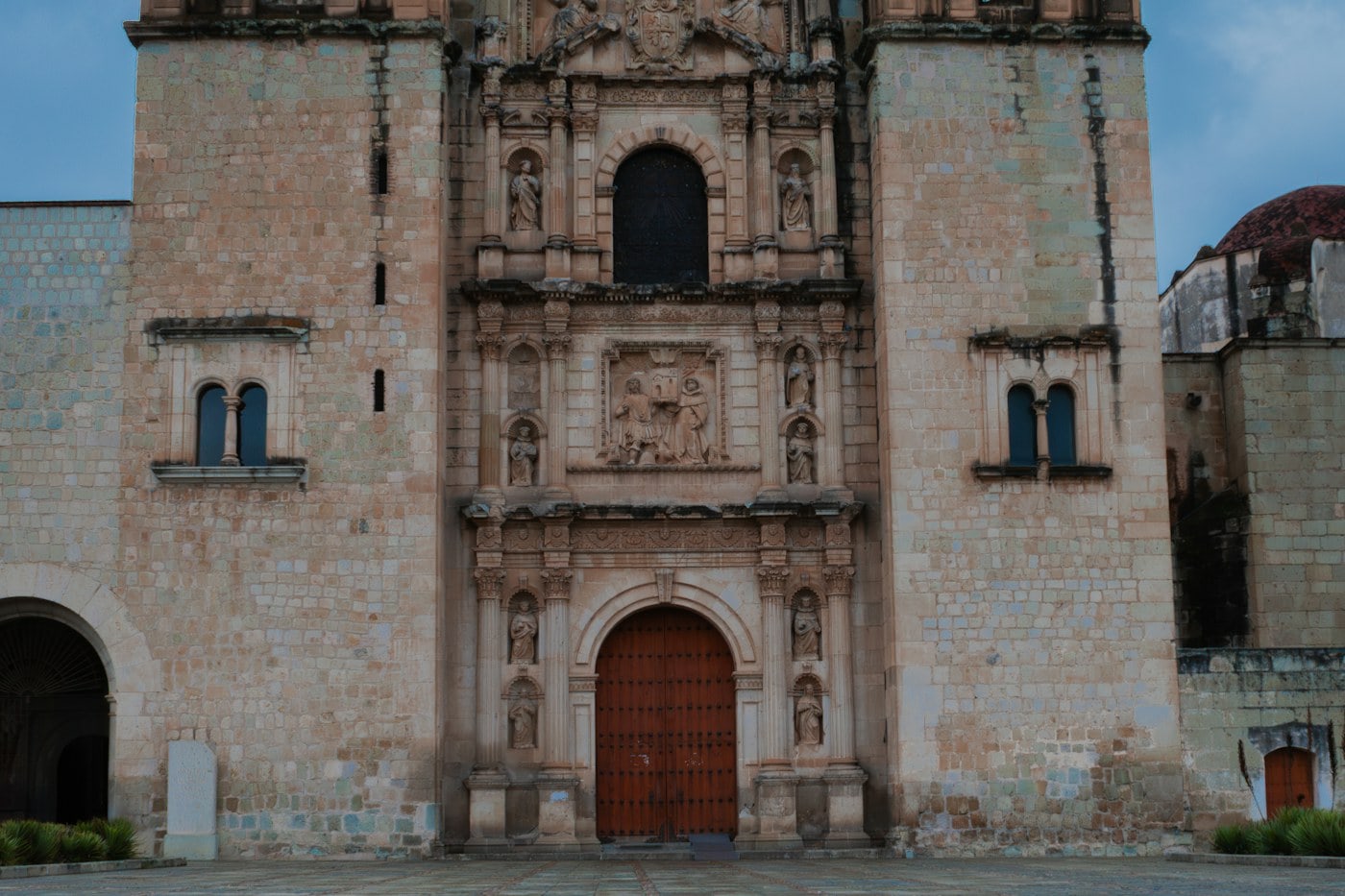
Oaxaca’s center is well suited to an orientation walk around public squares, pedestrian streets, and cultural buildings. Begin with geography rather than a long list of purchases. Notice how markets relate to the main streets and where a quiet meal might fit later. Respect religious spaces and residential entrances, and remember that the historic center is also a place where people manage ordinary daily tasks.
An orientation walk can establish where cultural visits, market streets, and quieter public spaces fit together. Use it to learn a few routes rather than shop immediately. If you want to enter a museum or religious building, check current visiting arrangements and follow its rules. Oaxaca’s center invites looking, but its homes and workplaces should remain usable for the people who live there. Step aside when pausing, ask before close photographs, and let a simple café or meal provide a natural stopping point after the walk.
Visit markets with a clear sense of space
The Benito Juárez and 20 de Noviembre markets offer different kinds of browsing and eating within a busy central area. Ask before close photographs and keep passages clear. Look at how stalls specialize rather than assuming every counter serves the same purpose. A market visit is more rewarding when you make one or two considered choices instead of buying simply to keep the visit moving.
A good market visit is selective. Look at the different types of stall, ask a clear question, and choose one meal or purchase you actually want. Avoid hovering over a counter while deciding where to go next, and do not assume every vendor welcomes a camera. The central markets can be busy, so keep belongings organized and routes clear. Looking carefully at a small area often reveals more than a hurried attempt to cover every aisle, especially when the purpose is to understand ingredients and everyday transactions.
Let one meal introduce complexity
Oaxacan food is often summarized through a handful of famous names, but a single well-chosen meal can show more than a rushed tasting list. Mole preparations, tlayudas, and other dishes differ in ingredients, scale, and context. Read the menu, ask questions when possible, and order according to appetite. Avoid describing a region’s cooking as a single fixed recipe that every kitchen must reproduce.
A menu can be an invitation to learn rather than a test of prior knowledge. Ask about an unfamiliar preparation when service allows, and accept that explanations may be brief. Choose a manageable meal that leaves time to notice its components. Do not rank an entire culinary tradition according to whether one dish matches an expectation formed elsewhere. Different kitchens have different practices. The useful question is what this meal offers in its own setting and how it connects with the ingredients, shops, and conversations encountered during the visit.
Choose a craft community deliberately
A visit to a community known for weaving or another craft deserves its own focus. Teotitlán del Valle is associated with textiles, but workshops are individual workplaces with different practices and visitor arrangements. Confirm that a visit is welcome, ask about materials and process, and respect photography rules. Time spent understanding one workshop can be more useful than a hurried sequence of stops built around purchasing.
Before visiting a workshop, ask about the arrangement and whether a demonstration is part of it. Some spaces welcome casual visitors, while others require an introduction or appointment. Respect the maker’s time and do not assume that hospitality creates an obligation to perform. Questions about fiber, color, and technique can be more revealing than asking only how long an object took. If purchasing, choose something you understand and can use. If not, thank the host and leave without allowing the visit to become an extended demand on working time.
Look at ceramics as objects of use
Ceramic traditions in communities around Oaxaca are varied, and a workshop visit is an opportunity to ask how an object is formed, finished, and intended to be used. Do not assume all pieces share the same practical properties. If purchasing, ask about care and packing, and choose something you can transport responsibly. The process behind an object is part of its value, not just a story added at the counter.
A ceramic object may be decorative, functional, delicate, or intended for a particular use. Ask rather than infer its properties from appearance. The maker or seller can explain care and practical limits more reliably than a broad description of a regional style. If you want to transport it, discuss packing and the available luggage space before buying. A workshop visit is most satisfying when the object remains connected to the decisions and labor behind it, instead of becoming a visual souvenir whose use and origin are unclear.
Give Monte Albán historical attention
Monte Albán offers a different kind of day from markets and workshops. Consult current official visitor information, allow time to understand the layout, and use available interpretation. Stay within permitted areas and avoid climbing or touching structures where this is restricted. The site should not become a short scenic detour between shopping stops; its history deserves an outing with its own pace and attention.
For Monte Albán, give history a place in the schedule rather than fitting the site around unrelated errands. Read the official visitor information before setting out and allow a realistic period for the permitted route and interpretation. The surrounding valley helps explain the site’s setting, but a panorama should not become its only meaning. Respect barriers and avoid handling material on the ground. If conditions make the intended visit uncomfortable, adjust the plan instead of rushing through simply to claim that the archaeological stop was completed.
Buy with care rather than pressure
A craft purchase is a conversation about material, labor, use, and price. Ask respectfully, avoid bargaining as a performance, and do not assume that a seller must provide a demonstration for free. It is also acceptable to look without buying if you are considerate about time. Choose a small number of objects you understand rather than an assortment whose origins and purpose remain unclear.
Good questions are concrete: what material is used, who made the piece, what care does it need, and what is included in the stated price? Listen without expecting every answer to confirm a romantic story about craft. Production methods and markets can be complex. Buying directly where an appropriate opportunity exists can be meaningful, but no purchase should be treated as proof that you fully understand a community. A smaller, well-considered choice is often the best way to carry the encounter forward into everyday use at home.
Leave an afternoon for the city again
After a day in the valley, returning to a familiar part of Oaxaca City can help connect the trip’s different themes. A quiet café, a museum, or another walk through the center may be enough. Resist filling the final hours with distant errands. A visit feels more coherent when there is time to think about the relationships between a meal, an object, and the communities behind them.
A final city afternoon creates space to connect the journey. You may recognize ingredients seen in a market, notice a textile differently after visiting a workshop, or return to a museum with better questions. Choose one comfortable activity and leave the rest open. Practical packing is easier when it is not postponed until after a distant last-minute excursion. The strongest memory of Oaxaca may be a relationship between things rather than a single landmark: food and cultivation, material and technique, or a finished object and the work that made it.
Connect the city and the valley without rushing
An Oaxaca stay can have three distinct strands: city walking and markets, a deliberately chosen craft-community visit, and a separate historical outing to Monte Albán. They should not all be compressed into one ambitious circuit. Give each a clear purpose and verify the current visitor arrangements. In the city, a meal and a cultural stop can provide enough structure for a day. In the valley, focus on one community or type of making so that travel does not consume the time intended for understanding the work.
If visiting workshops, clarify the arrangement before arrival and respect the host’s rules about demonstrations, photography, and access. Questions about material and process should come with a willingness to listen to practical answers, not only romantic ones. A purchase is optional, but a long demand on working time should not be treated as free entertainment. If you do buy, ask about use, care, and packing. The object is more likely to remain meaningful when its everyday purpose and the labor behind it are clear.
Leave a final interval in Oaxaca City to connect these impressions. You may recognize an ingredient after a market visit or look differently at an object after seeing a related process. A quiet walk or meal can provide that space without another excursion. Keep the departure practical and avoid adding distant errands to the last afternoon. The journey’s depth comes from relationships: between city and valley, food and cultivation, material and technique, or hospitality and the boundaries of a working place. A modest route gives those connections time to become visible.