Okinawa Slowly: A Main-Island Journey through Neighborhoods and Shorelines
Okinawa is often reduced to a promise of blue water, yet its distinct history, food, and urban life make a slower visit far more interesting. Staying on the main island is a coherent choice rather than a compromise.
A journey with room to notice
Okinawa is often reduced to a promise of blue water, yet its distinct history, food, and urban life make a slower visit far more interesting. Staying on the main island is a coherent choice rather than a compromise. Naha, the central coast, and the wooded north offer enough variety without turning every day into a transfer. The key is to build a route around real distances and allow the island’s ordinary places to matter.
Give Naha a full introduction
Naha is a working city and a useful first encounter with Okinawa. The area around Kokusai-dori is lively, but nearby market streets and quieter blocks help put the main thoroughfare in context. Walk with a small set of interests rather than a long shopping list. Pay attention to opening patterns and pedestrian conditions, and allow an unhurried meal to become part of the orientation.
Look beyond the main shopping axis without assuming every side street is a visitor route. Public lanes and market streets can provide a good introduction when you move considerately and observe where people are working. If you want a particular shop or food counter, check current information rather than treating a travel photograph as a reliable guide to its location or opening. Naha is easier to enjoy once practical orientation is complete, because the city no longer has to compete with constant navigation and arrival errands.
Visit Shuri with historical attention
Shuri is closely associated with the Ryukyu Kingdom, whose history cannot be understood simply as an extension of mainland Japanese imagery. Check current official access and restoration information for Shurijo Castle and its surrounding sites. Even where buildings or routes are being restored, interpretation can provide context. Approach the visit as a historical place with a continuing life, not merely a backdrop.
Historical context matters particularly in Shuri. Use the official interpretation to understand the Ryukyu Kingdom and the changes the site has experienced, rather than expecting one building to summarize the whole story. Current restoration can be part of that story, but access should be checked close to the visit. Respect any boundaries around work areas. A nearby walk can help situate the castle area within the surrounding neighborhood, provided it remains on public routes and does not intrude on residential spaces.
Use the coast in smaller pieces
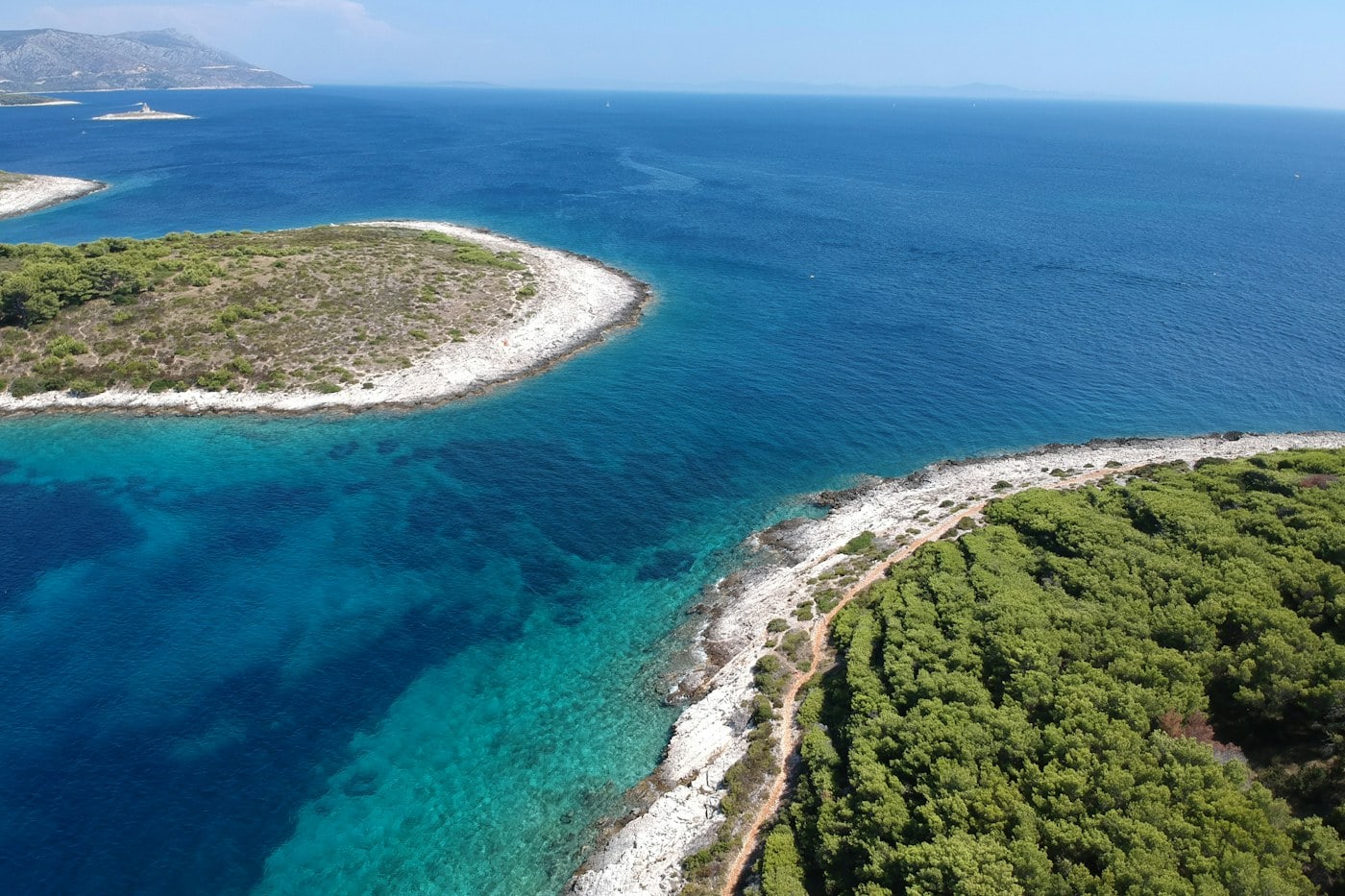
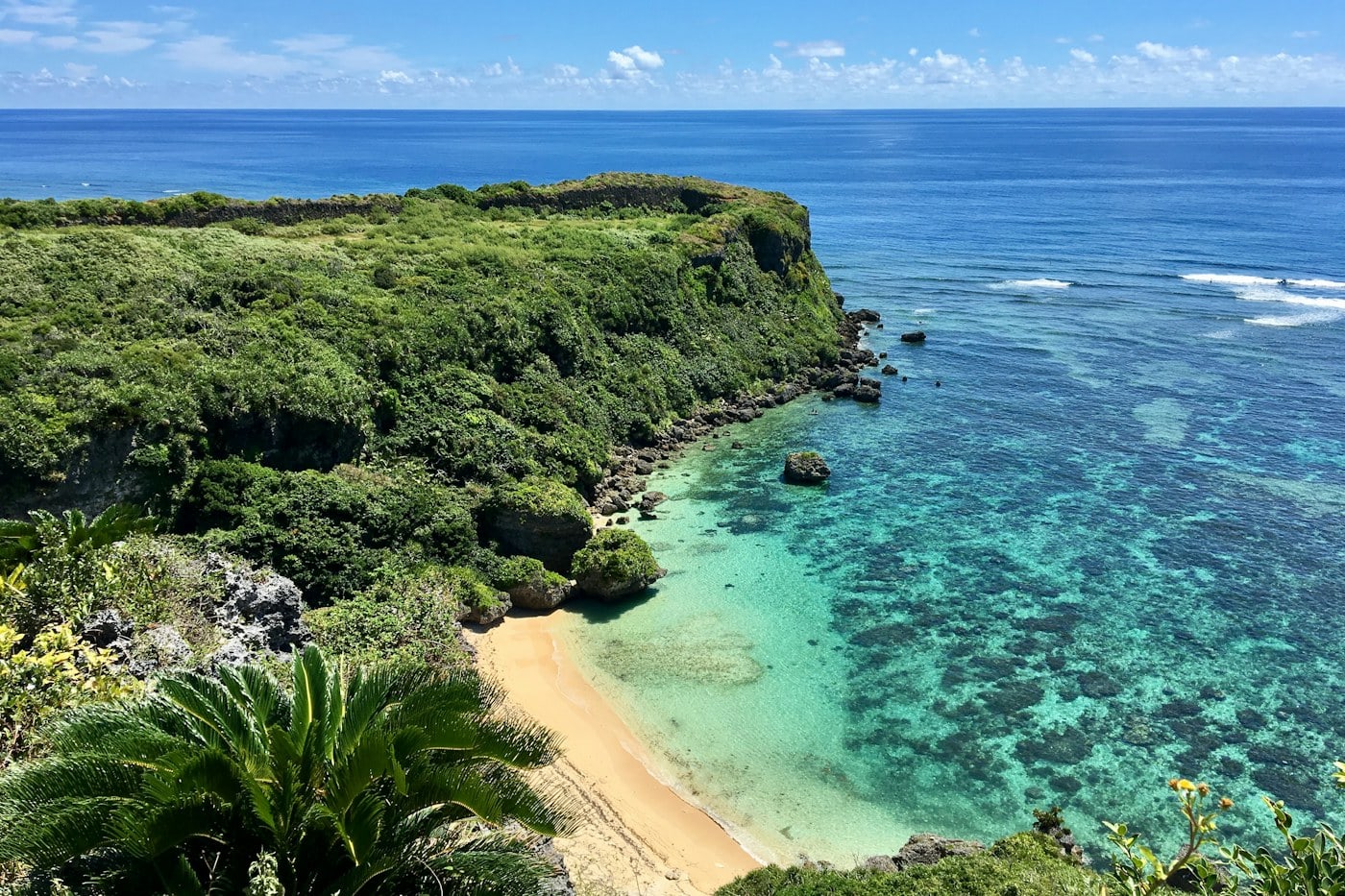
A main-island coastal day works better when it focuses on one stretch. Stop at a public waterfront, take a suitable walk, and leave time for lunch rather than attempting every cape. Conditions differ between exposed headlands and sheltered shorelines. For any water activity, follow current local guidance and the instructions of established operators rather than relying on how calm the sea appears from land.
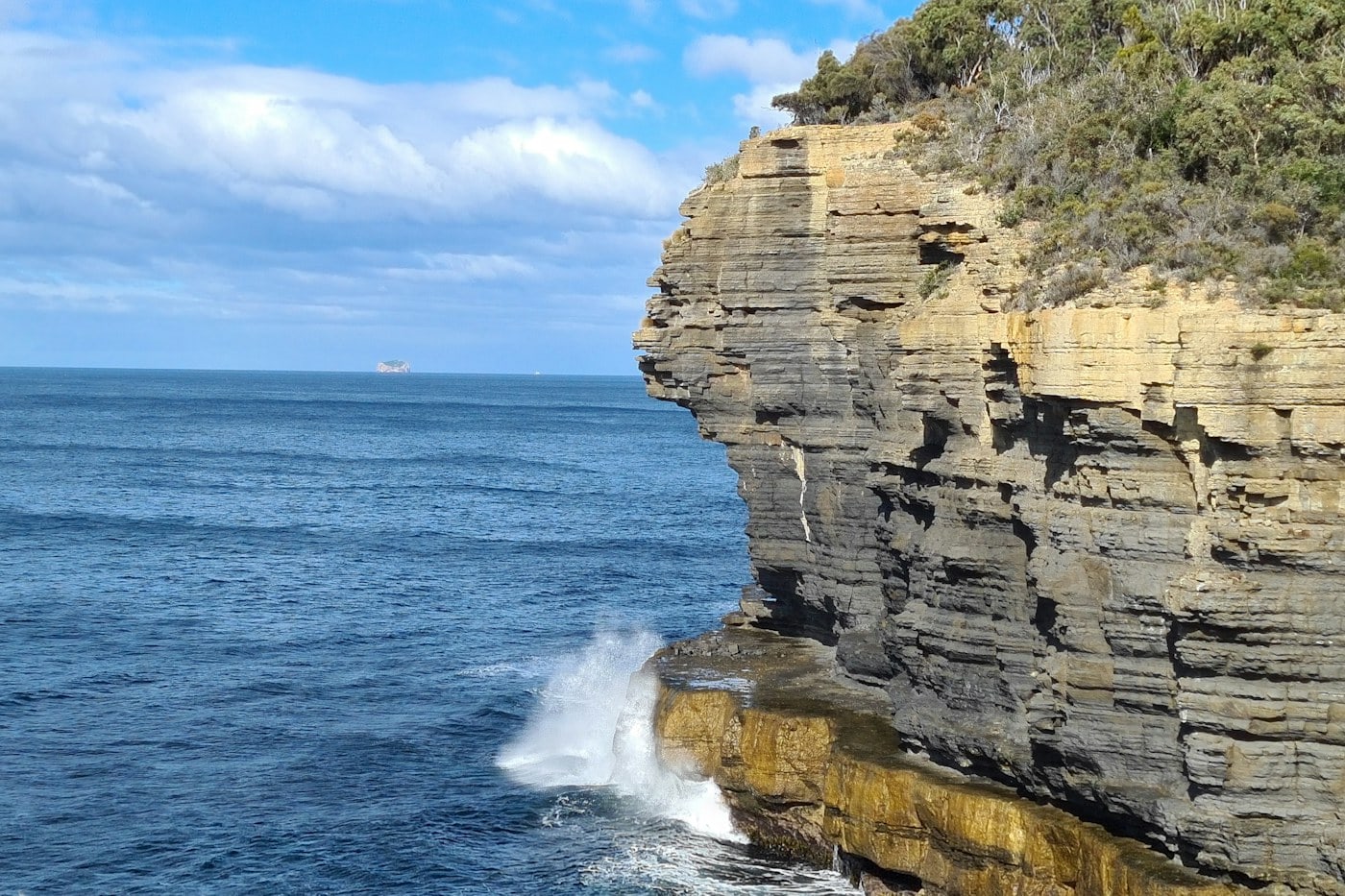
A cape, a beach, and a waterfront town are different experiences even when all appear under the same coastal heading. Choose one as the main focus and add another only if the route remains comfortable. A headland can be a place to observe the sea without entering it; a public beach may offer a different kind of access. Read local information for the exact place. Do not transfer assumptions from one stretch of coast to another simply because they are on the same island.
Let food show regional difference
Okinawan food has its own familiar ingredients and preparations. Okinawa soba, tofu dishes, and vegetables such as bitter melon offer ways into everyday cooking without requiring a restaurant pilgrimage. Read menus, ask politely when uncertain, and order a manageable amount. A small neighborhood place can be a useful choice when it fits naturally into the day, but its ordinariness should not be turned into a performance for visitors.
Regional food is easiest to approach through a meal that suits the day. A bowl of Okinawa soba might fit a lunch stop, while a broader menu can offer another evening’s introduction to local preparations. Ask about ingredients where necessary and be patient if explanations take time. Avoid expecting a small kitchen to customize every dish or provide a lengthy cultural lesson during service. The experience is still meaningful when you simply order respectfully, eat attentively, and connect the food to the surrounding neighborhood.
Understand the distances to the north
The wooded landscapes of northern Okinawa require a different schedule from a Naha-based city day. If the north is important, consider a stay that reduces backtracking rather than making repeated long returns. Follow official information for protected areas and walking routes. A forest visit should have a clear permitted route, realistic transport, and time to return before the day becomes rushed.
If you want time in the north, allow the accommodation plan to support it. A distant return to Naha can turn an otherwise modest outing into a long day. Look at the actual trail or visitor site and the roads serving it, not only a broad regional label. Protected areas may have specific visitor arrangements and sensitive habitats. Follow the current official guidance, stay on the permitted route, and choose another plan if weather or access conditions do not suit the intended walk.
Choose one substantial cultural stop
A pottery area, museum, or historical site can offer more depth than a chain of quick stops. In Naha, Tsuboya provides a setting for looking at pottery within a living neighborhood. Respect shop rules and ask before photographing displays or work. Buying something is optional; taking time to understand materials and use makes the visit worthwhile whether or not you carry an object home.
In a pottery district, objects have uses as well as appearances. Ask about how a piece is intended to be used, its material, and the care it requires. If a workshop is active, do not assume that visitors can enter or watch without invitation. Shops and public displays can still offer plenty to learn. A purchase should fit your luggage and everyday life, while a visit without a purchase can remain worthwhile when you respect the time and space of the people working there.
Keep islands beyond the main island optional
A ferry or flight to another island adds a separate set of transport and weather considerations. Do not treat it as a mandatory proof that you have experienced Okinawa properly. If an additional island is central to the trip, give it enough time and verify the current service and conditions. Otherwise, a well-paced main-island stay is already a complete journey.
The extra-island decision should be made before the route becomes emotionally attached to it. What would you do there, how long would the transfer take in practice, and how much flexibility would remain if conditions changed? Compare that with another day exploring the main island at a gentler pace. A smaller geographical range does not necessarily mean a narrower experience. Naha, regional food, historical sites, the north, and the coast already create several distinct perspectives when they receive enough time.
Leave room for the ordinary evening
A final walk near the accommodation, a simple dinner, and a return to a familiar street can settle the impressions of the trip. Avoid ending every day with a long drive across the island. When the route is modest, there is time to notice how neighborhoods change after work and how daily life continues beyond the places designed for visitors.
An evening near the base can make the stay feel connected. Walk a route you already know, choose a meal without searching the whole island, and notice how local streets change after the busiest visitor hours. Keep photography considerate, especially near homes and small dining places. Before the last day, settle practical departure details so they do not occupy every quiet moment. The result is a visit remembered through neighborhoods and daily rhythms as well as the sea views that first made the island appealing.
A main-island stay that feels complete
A coherent Okinawa itinerary can begin with several connected interests in Naha: market streets, a regional meal, Tsuboya, and a separate historical visit to Shuri. Those should not all be crowded into a single arrival day. Give the city enough time that the practical geography becomes familiar, then decide whether the remaining days support a northern stay or a limited coastal outing. The main island offers a substantial range of experiences without requiring a transfer to another island simply to make the holiday feel legitimate.
If the north is important, arrange the overnight sequence to support it. Consult current information for the intended forest route or protected place and keep transport conservative. If the coast is the priority, choose a base and outings according to the exact access and conditions. Neither plan should depend on constantly returning across the island after long days. The main-island decision is strongest when it is intentional: you are choosing time for several different settings, rather than treating the absence of island hopping as an omission.
For the final evening, return to a neighborhood you recognize and choose an uncomplicated meal. You may notice the city differently after seeing Shuri or visiting a pottery district, because objects and preparations now have more context. Keep departure details organized and leave room for an ordinary walk. The journey can end with a fuller understanding of Okinawa’s distinct histories and daily life alongside its coastal appeal, while acknowledging that a short visit offers an introduction rather than a claim to comprehend the whole island group.
Naha and the wooded north should be described separately in the plan, with real travel between them. This helps avoid an itinerary that treats a city meal, a Shuri visit, and a distant forest walk as neighboring activities. The main island is rewarding partly because those settings differ. Giving each an appropriate portion of the stay makes that difference easier to experience.