Tasmania’s East Coast: A Road Journey with Short Walks and Long Views
Tasmania’s east coast is well suited to a journey that alternates movement with stillness. Towns, beaches, granite headlands, and protected landscapes offer frequent reasons to stop, but the route becomes less satisfying when every stop is treated as a brief photograph.
A journey with room to notice
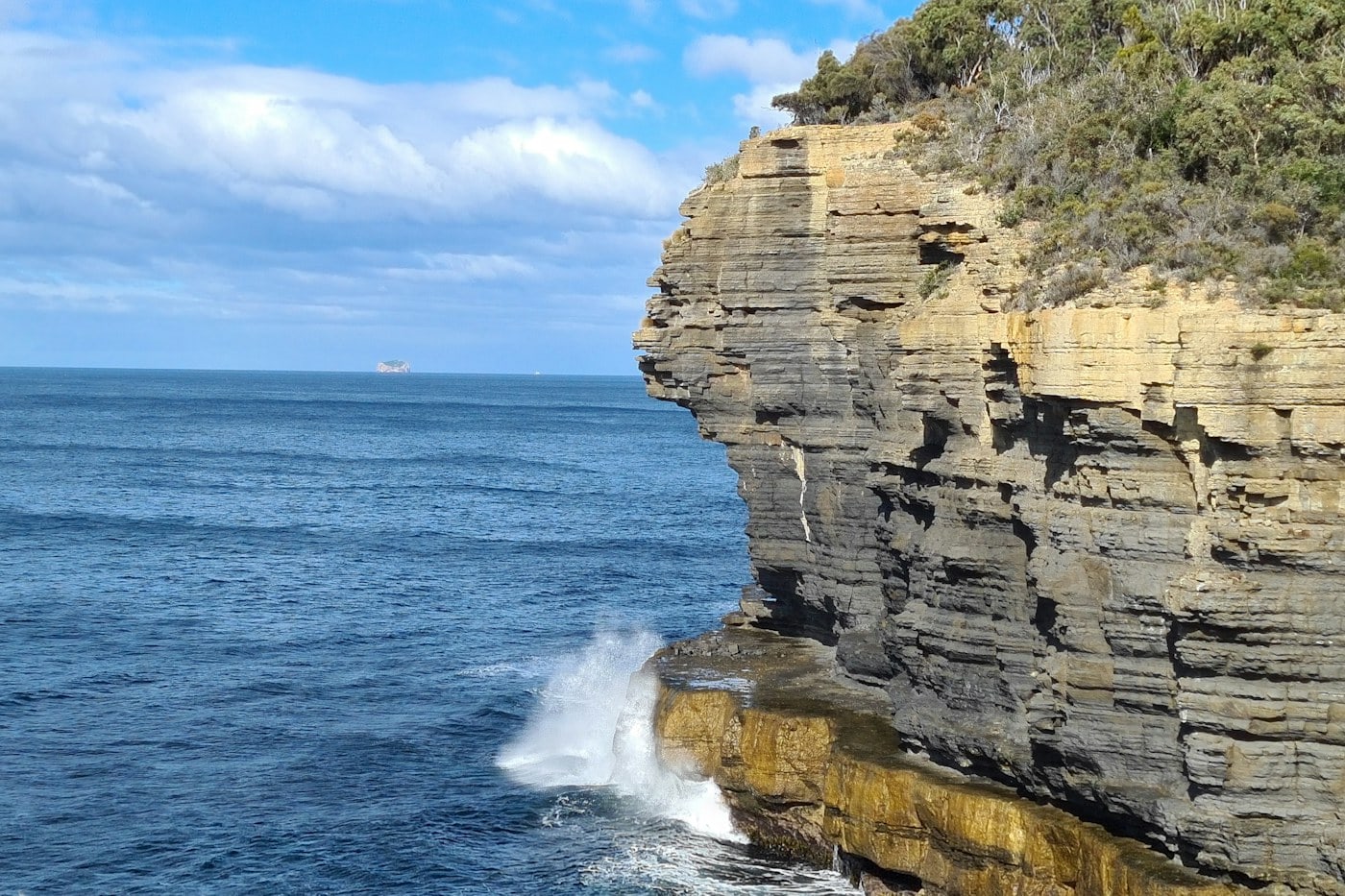
Tasmania’s east coast is well suited to a journey that alternates movement with stillness. Towns, beaches, granite headlands, and protected landscapes offer frequent reasons to stop, but the route becomes less satisfying when every stop is treated as a brief photograph. A few well-placed overnight bases allow time to walk, watch the weather, and enjoy the difference between an open beach and a sheltered bay.
Give the route a clear direction
A coastal journey can begin from Hobart or connect with Launceston, but the choice affects the first and last driving days. Plan the route around arrival transport and the places where you genuinely want to stay. Avoid adding distant inland detours simply because they appear close on a small map. The east coast has enough variety to support a coherent trip on its own.
A one-way route and a return loop have different strengths. If returning to the same arrival city, avoid pretending that the final drive is a minor detail. Place the last overnight stop where it supports the actual departure, and let the coastal section occupy the days when you have time to enjoy it. If using different arrival and departure points, confirm the transport and rental arrangements first. The best route is the one that works on an ordinary travel day, with stops and modest delays included.
Use a small town as a real base
A town such as Swansea offers more than a place to sleep between famous landscapes. A waterfront walk, practical shopping, and an ordinary dinner can give a driving day a comfortable ending. Check the services you need before arriving late, and allow time to explore without the car. Familiarity with one small town can be a welcome counterpoint to a succession of scenic stops.
A small-town stay creates room for practical tasks without making them feel like interruptions. Walk to understand the center, obtain what you need for the next outing, and choose a meal nearby. If the weather is pleasant, the waterfront can provide a short final walk with no further transport. These ordinary hours help connect the larger landscapes into a coherent trip. They also prevent every morning from beginning with packing, checking out, and driving before the day’s actual interest can start.
Choose a suitable Freycinet walk
Freycinet National Park is strongly associated with Wineglass Bay, but a famous view does not make every route appropriate for every visitor. Read current official descriptions, conditions, and access requirements. Consider elevation and the return journey as well as distance. A shorter permitted walk may suit the day better and still reveal the relationship between granite hills, woodland, and sea.
At Freycinet, compare the experience of a lookout walk with the effort of extending the route. The longer option should have its own justification, not merely the momentum of reaching the first viewpoint. Current park information is essential for conditions, permits, and any closures. Keep the return in mind and choose an outing suited to the least experienced member of the group. A shorter route can leave energy for careful observation of rock, vegetation, and the shape of the coast rather than using all attention on progress.
See Bicheno beyond a quick stop
Bicheno can provide a relaxed interval between longer coastal outings. Walk around the public waterfront areas, pay attention to the character of the rocky shore, and choose a meal without a tight onward deadline. Wildlife experiences should follow responsible local guidance and established viewing arrangements. Do not approach, handle, or illuminate animals simply to improve a photograph.
Bicheno can be particularly useful as a place to slow a road trip down. After parking appropriately, take a modest public shoreline walk and let the town provide the rest of the afternoon. If arranging wildlife viewing, ask how the experience avoids disturbance and follow the guide’s instructions. Do not use a phone light or approach an animal because a closer view seems possible. A responsible visit may involve waiting, distance, and accepting that the animal’s behavior determines what can be seen.
Approach the Bay of Fires in pieces
The Bay of Fires region is not a single viewpoint. Different access points lead to beaches, boulders, and coastal settlements with their own character. Choose a limited area and spend time there instead of repeatedly driving to find a supposedly definitive scene. Respect local signs, stay on appropriate access routes, and avoid climbing or walking through sensitive vegetation to obtain a cleaner composition.
Choose an access point in the Bay of Fires region for the outing it actually supports. A beach walk, a short look at boulders, and a longer coastal exploration are not the same plan. Consult current local information and keep to established approaches. The familiar colors can tempt visitors to concentrate on composition, but the place is more than its most recognizable foreground. Notice the scale of the shoreline, the vegetation behind it, and the way different bays have different forms rather than searching for one definitive scene.
Remember the island’s living history
Tasmania’s landscapes are not empty scenery. Learn from appropriate interpretation about Aboriginal history and continuing connections to Country, and respect restrictions around cultural places. Use local names where official information provides them, without assuming a sign supplies the whole story. A thoughtful visitor can appreciate a view while acknowledging that its meaning extends beyond the short period of a holiday.
Appropriate interpretation can change the meaning of an otherwise scenic stop. Read carefully, acknowledge where local guidance asks for particular behavior, and avoid treating cultural information as an optional decorative layer. If a place is restricted, choose another destination rather than seeking an unofficial approach. Visitors do not need to claim a complete understanding in order to behave thoughtfully. Listening, observing, and respecting the limits of what is open can make the journey more attentive while leaving the authority to explain a place with its communities.
Keep driving conservative
Wildlife, changing weather, and unfamiliar roads make a relaxed schedule valuable. Consult current road information and rental guidance, and avoid building the day around a late arrival after a long outing. Stop only where it is appropriate to do so. A planned viewpoint with safe access is a better choice than an impulsive roadside pause because a scene looks attractive.
Plan a transfer so that the final stretch does not depend on making up time. That may mean leaving an optional stop for another trip or choosing a closer overnight base. Check the actual condition of the road and use designated stopping places. A scenic drive can remain enjoyable without repeatedly pulling over for every view. If you want a longer pause, select one accessible stop in advance and give it proper time. This keeps the day from becoming a mixture of haste and impulsive interruptions.
Let a beach walk close the trip
An easy shoreline near the final base can be the right ending after several active days. You do not need a new landmark to make the last morning worthwhile. Return to a favorite view, notice the texture of the sand or the shape of the bay, and leave time for the onward drive. A clear finish gives the whole route a more generous pace.
A final shore walk can be very simple: a permitted public access point, a manageable distance, and time to turn back without watching the clock. Leave the more complicated outings for days when they have room. On a second visit to the same beach, you may notice the shape of the dunes or the sound of the water more clearly because navigation no longer occupies your attention. That modest familiarity is one of the strongest rewards of a route that has not tried to cover too much ground.
From town evenings to protected shores
A compact east-coast outline can combine a small-town base, a separate Freycinet stay or outing, and a northern coastal interval around Bicheno or the Bay of Fires region. The exact sequence should follow the arrival and departure arrangements rather than a generic road-trip map. Give the protected landscapes days when their access and conditions can be checked properly. Leave the transfer days less crowded, with one meaningful stop rather than a series of brief diversions that make the final arrival unnecessarily late.
For each walking day, identify the specific route and the reason it suits the group. A lookout walk, a forest path, and an open beach demand different decisions. Use official park and local information for permits, closures, and current conditions. Do not treat a popular photograph as a route description. Respect cultural guidance and established access, especially where an apparently empty shoreline might tempt a visitor to wander beyond the permitted approach. The quieter details of the landscape are easier to appreciate when the outing is appropriate from the start.
Let the towns provide the practical continuity: meals, supplies, a short evening walk, and a comfortable place to settle. This prevents the road journey from becoming a sequence in which the accommodation exists only for sleep. Before the final transfer, return to an easy nearby shore and allow the trip to end without one last distant objective. Tasmania’s east coast can leave a strong impression through a handful of well-understood places, with the space between them experienced as part of the island rather than merely distance to be covered.
Wineglass Bay and the Bay of Fires should not compete for a single hurried coastal afternoon. They belong to different parts of an east-coast journey and reward different kinds of attention. Give Freycinet its own route assessment, then choose a limited northern shoreline later if the available days support it. A clear separation helps prevent one famous view from shortening the time needed for another.