A Slower Road Trip Through the Scottish Highlands
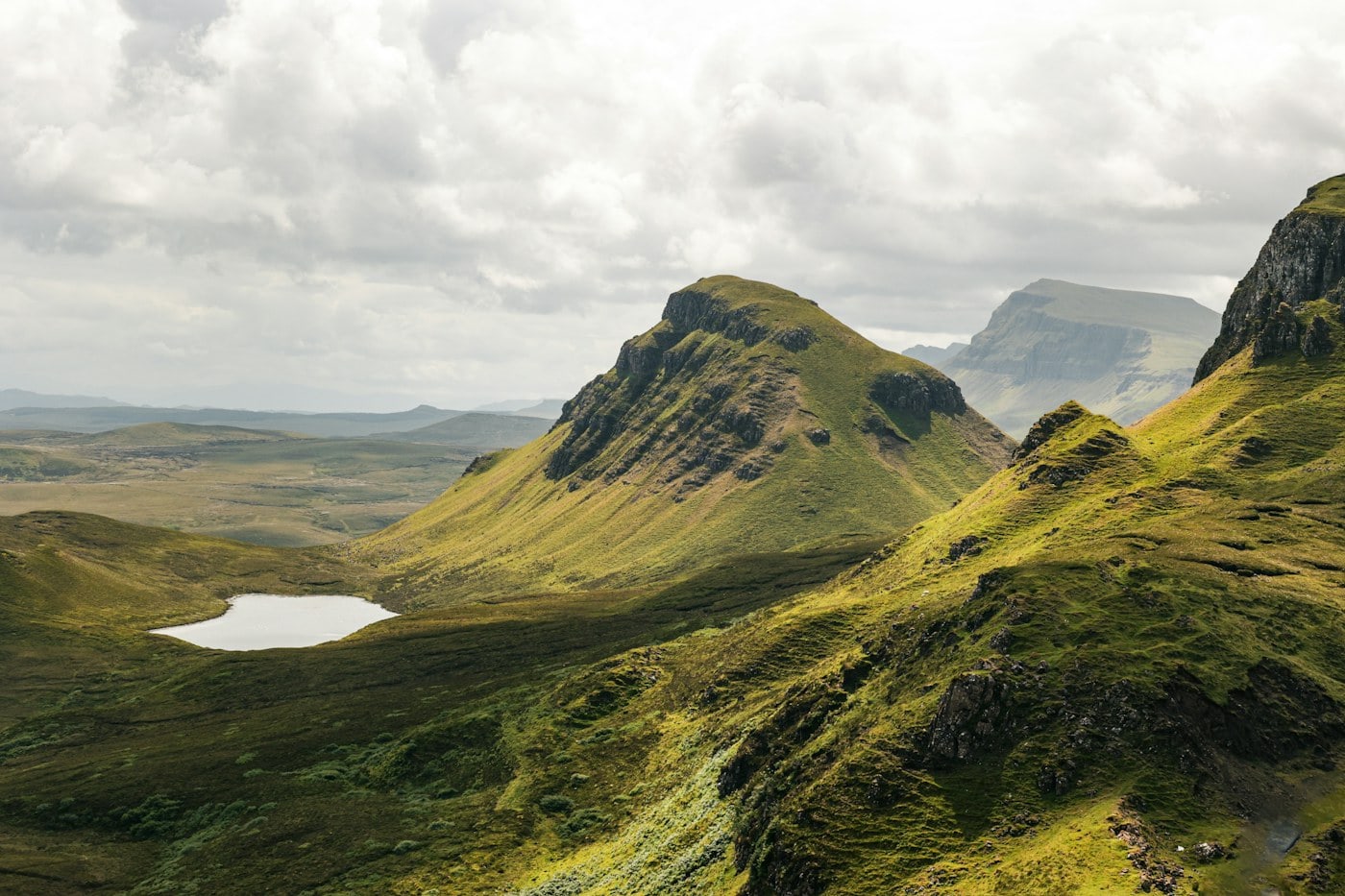
A Highland road trip becomes more memorable when the driving leaves room for the landscape. Long lochs, open moor, mountain slopes, and small settlements do not need to be linked by the longest possible daily distance.
A different way to arrive
A Highland road trip becomes more memorable when the driving leaves room for the landscape. Long lochs, open moor, mountain slopes, and small settlements do not need to be linked by the longest possible daily distance. The roads demand attention, while weather can transform the same view within minutes. Choose a compact area, stay long enough to learn its connections, and build each day around one walk or place rather than a succession of roadside stops.
Choose an area instead of an enormous circuit
The Highlands are too extensive to feel satisfying as one hurried loop. A base near a particular glen, loch, or coastal area makes it possible to change plans without repeatedly packing. Distances can look modest while driving takes longer than expected. Narrow roads, bends, passing places, and occasional stops all influence the day. Decide whether you are most interested in mountains, coast, or settlements, then let that preference limit the route.
Use one base for several nights when possible and keep the first day’s driving short enough to learn the roads calmly.
Understand single-track roads before meeting them
Some Highland roads use passing places to allow vehicles to meet or pass. Learn current official driving guidance before setting out, including how to use these spaces properly. A passing place is not a viewpoint or picnic bay. Drive at a pace appropriate to visibility and conditions, and allow other traffic to pass where safe and lawful. Looking at the scenery must wait for an appropriate place to stop.
Choose designated parking or clearly permitted stopping areas for photographs, and never rely on a narrow verge as a substitute for proper parking.
Let one loch provide the day’s structure
A loch can be an anchor for an outing, but its shoreline may not offer continuous public access or a convenient driving loop. Study the map and identify actual viewpoints, public paths, and parking. A short walk on one shore may be more rewarding than attempting to drive around the entire water body. Notice changes in wind, reflections, and the scale of the surrounding hills. Repeated glimpses can build a stronger impression than a rapid circuit.
Choose a single walking access point and a separate meal stop, leaving the rest of the day open for conditions.
Keep a low-level walk ready
Mountain ambitions should be balanced with a suitable lower-level alternative. Weather, visibility, and ground conditions can make a planned summit inappropriate. A woodland path, a signed heritage trail, or an established waterside walk can still offer a satisfying outing. Check official route information and local notices. Lower ground is not automatically free of hazards, and paths may be muddy, flooded, or uneven.
Select the alternative before the trip so that a poor forecast leads to a clear decision rather than a morning spent searching hurriedly.
Make room for settlements
Small towns and villages are useful practical anchors, but they are also places with their own rhythms. Spend time beyond a fuel stop: visit a local shop, take a short public-street walk, or choose a seated meal. Opening patterns can be limited, especially outside busy periods, so do not assume the next settlement will provide everything at any hour. Avoid blocking access with a parked car or treating private gardens as viewpoints.
Plan fuel and food around real locations and current opening information, with enough flexibility to support a local business when it fits the route.
Let weather edit the itinerary
A landscape-led trip benefits from revisiting a nearby place in different conditions instead of driving farther in search of an ideal scene. Low cloud can emphasize woodland and water; clear conditions may favor a longer view. Check current forecasts and road advisories, and change plans when necessary. Do not stop in an unsafe place because a break in the weather looks brief. The landscape can be enjoyed without capturing every dramatic moment.
Make the day’s main activity conditional on the forecast and keep the final driving leg simple when visibility deteriorates.
Travel lightly through open landscapes
Open moor and quiet shorelines can feel empty, yet they are habitats and often working land. Follow access guidance, use established paths, keep appropriate distance from wildlife and livestock, and take litter away. Do not assume a scenic lay-by permits overnight stays or fires. Current local signs and official guidance should govern those choices. A road trip remains more pleasant when each stop leaves the place ready for the next visitor.
Carry a bag for rubbish and choose established facilities for breaks rather than creating informal stopping places on fragile ground.
Measure the day by time outside the car
A useful question at the end of a Highland day is not how far you drove but how much attention you could give the places you reached. An hour beside a loch, a thoughtful village walk, and a relaxed meal can be enough. Leave the final stretch short so that you are not driving unfamiliar roads while tired. Returning to the same base can make the landscape feel gradually more legible.
Build the last evening around a nearby walk or meal, allowing the trip to finish with a sense of place rather than another transfer.
Glencoe as a compact example of Highland planning
Glencoe demonstrates why a limited area can support a varied Highland stay. The glen links the open landscape toward Rannoch Moor with the settlement area near Loch Leven, and the A82 provides a dramatic road connection through the region. The road itself requires attention, so treat the scenery as something to appreciate from designated stopping places and on suitable walks. Do not stop suddenly because a familiar mountain shape appears. Before leaving, mark an authorized parking location and a realistic walking option, then let current weather determine whether that outing remains appropriate.
The village of Glencoe and nearby Ballachulish offer practical reference points around the loch rather than simply names passed during a drive. A meal, supplies, and a short public walk can give the area a more human scale. Fort William is another substantial regional connection, but adding it should serve a purpose. If the day’s focus is Glencoe, there is no need to continue driving merely to increase the number of places visited. A loch-side pause and a suitable low-level path can provide a complete afternoon, particularly when cloud obscures the higher ground.
Glenfinnan, farther along a different route from Fort William, should be treated as its own outing rather than a casual extra at the end of a long day. Its viaduct, monument setting, and views toward Loch Shiel attract visitors with different interests. Check current access and parking information and allow enough time to use designated paths. A train-related photograph should never justify trespassing onto railway property or stopping unsafely. The wider setting can be appreciated without arranging the day around a particular passing train. These examples show how Highland planning benefits from separating experiences that appear close on a broad map. Glencoe’s mountain corridor, Loch Leven’s settled edges, and Glenfinnan’s loch-and-viaduct setting each offer a distinct day when the driving is kept manageable. The reward is not simply less time in the car, but more attention available when you step out of it.
Loch Leven near Glencoe should not be confused with other Scottish places bearing the same name. Check the actual map location when booking accommodation or searching for a walk. This simple habit is useful throughout a Highland trip, where repeated place-name elements and broad regional descriptions can lead to the wrong result. Save the full address and the intended approach, particularly when a property lies along a smaller road. A calm arrival makes the first evening much more pleasant and leaves time for a permitted local stroll. The road trip begins to feel settled when practical details are resolved before the final unfamiliar junction.
One base, three different landscape days
A compact Highland base can support several contrasting days without requiring a new overnight stop each evening. One day might focus on a loch and a short signed walk, another on a settlement and its nearby public paths, and a third on a suitable longer outing if conditions allow. The exact places should be selected using current local information, but the structure is useful anywhere: each day has one principal experience and a modest driving requirement. This creates room for a slow lunch, a weather change, or a return to a place that looked different in the morning.
Before driving, identify the actual authorized stopping points rather than simply marking scenic stretches of road. A spectacular view may occur where stopping is inappropriate, and the driver should not have to make a sudden decision. Pass it safely and continue to a proper place. Passengers can help with navigation and practical planning, but they should avoid distracting the driver at difficult sections. Share the day’s main destination and the final return route so that everyone understands why an apparently attractive detour may not be worth adding. The landscape becomes easier to enjoy when the driving feels settled.
At the base, ordinary routines can deepen the trip: learn where to buy supplies, choose a local place for a meal, and take a short evening walk where access is permitted. These repeated connections give the region more substance than a continuous sequence of viewpoints. They also provide flexibility when weather changes. A lower-level outing near the accommodation may be more rewarding than a long drive toward an uncertain forecast. Keep the final day especially light so that leaving does not become the longest journey of the trip. The Highlands reward patience, and a smaller area explored in varied conditions can remain more vivid than a much larger circuit seen mainly through a windscreen.