Costa Rica’s Cloud Forest: A Slower Look at a Living Landscape
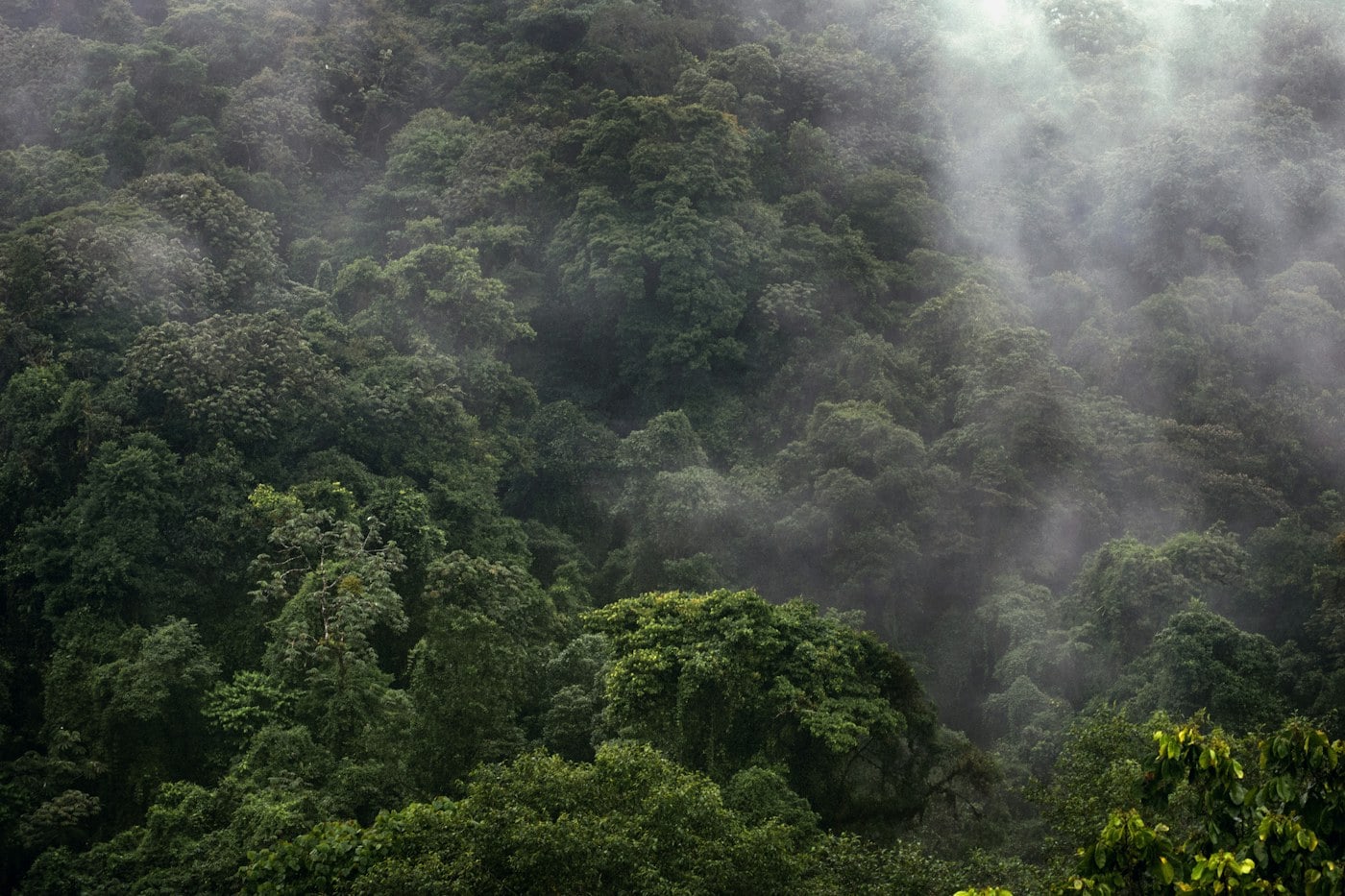
A cloud forest is not a place that needs to reveal everything at once. Moisture gathers on leaves, branches carry layers of plant life, and movement can be easier to hear than to see.
A different way to arrive
A cloud forest is not a place that needs to reveal everything at once. Moisture gathers on leaves, branches carry layers of plant life, and movement can be easier to hear than to see. In Costa Rica’s Monteverde area, a carefully chosen forest visit can be more rewarding than a crowded schedule of activities. Give the walk time, learn the reserve’s own rules, and allow the conditions to determine what is visible. The forest is an ecosystem, not a wildlife display.
Understand the cloud forest setting
Cloud forest develops where moist conditions and elevation support a distinctive landscape. Around Monteverde, that can mean cool, damp, or windy conditions compared with lower parts of Costa Rica. Do not pack only for a tropical image of constant heat. The interest includes the structure of trees, epiphytes, ferns, and the changing light, even when distant views disappear. A misty morning can be visually rich without offering a panorama.
Plan the visit around time within the forest rather than a promised clear view, and bring suitable layers for standing still in damp conditions.
Choose the reserve before choosing activities
The Monteverde area includes different reserves and visitor experiences, each with its own access, trails, and arrangements. Compare the actual options rather than assuming every ticket leads to the same landscape. Decide whether your main aim is a guided natural-history walk, a self-directed trail outing, or another permitted activity. Check official information directly for opening, booking, accessibility, and rules. One well-chosen reserve visit may be enough for the day.
Read the trail descriptions and visitor guidance for the exact reserve you select, keeping the plan realistic for the group’s walking ability.
Consider what a guide can add
A knowledgeable local guide can help interpret sounds, plant relationships, and subtle signs that an unguided visitor might miss. The value is not a guarantee of particular wildlife. Ask about the walk’s focus, pace, group size, and the guide’s approach to viewing animals respectfully. A natural-history outing should leave room for questions and observation. Choose a reputable service that follows reserve rules and does not encourage disturbance for photographs.
Set expectations around learning and careful looking, not a list of species that must be seen before the tour ends.
Let the trail’s small details lead
Walking slowly reveals the forest’s layers: leaves catching moisture, roots crossing the ground, and plants using branches as growing space. Keep to designated trails and do not touch or collect living things. A handrail or resting place can provide a moment to listen, provided other walkers can pass. Repeatedly scanning for a large animal may cause you to miss the habitat that supports everything around you.
Use pauses to look at one small area carefully, then continue before the group bunches into a narrow section of path.
Watch wildlife without making it perform
An animal seen briefly or from a distance is still a real encounter. Stay at the distance advised by guides and reserve staff, avoid feeding or calling animals, and follow photography rules. Do not leave the trail for a clearer image. Flash, noise, and crowding can disturb wildlife, and the desire for a photograph should never govern the encounter. Binoculars can make distant observation more comfortable when used considerately.
Let animals move freely and accept that some visits will be remembered mainly for plants, sound, and atmosphere rather than a particular sighting.
Prepare for wet surfaces and changing weather
Damp paths, roots, steps, and bridges can require more attention than the route’s modest distance suggests. Wear footwear appropriate to the selected trail and carry rain protection that allows comfortable movement. Check current reserve notices and weather guidance. Protect cameras and phones from moisture without allowing equipment to dominate the walk. If a route is closed, follow the designated alternative rather than testing the closure yourself.
Choose a trail with a suitable length and return arrangement, and leave enough time to walk carefully rather than rushing over slippery surfaces.
Give the surrounding community some time
A forest visit fits more comfortably into a trip when the transfer, meals, and overnight base are not rushed. The Monteverde area’s roads and dispersed visitor facilities make actual journey planning important. Use current local information and confirm transport details directly. A seated meal and a quiet afternoon can be a useful counterpart to a concentrated morning walk. Buying from local businesses can also help connect the visit to the people who live in the region.
Avoid stacking several time-sensitive activities after the reserve, and keep an uncomplicated return to your accommodation.
Leave with a wider idea of the forest
The most lasting lesson may be that the forest works through relationships rather than individual highlights. Moisture, plants, insects, birds, and larger animals occupy the same layered space. You do not need to identify everything to appreciate that complexity. A few careful observations, perhaps recorded in a notebook afterward, can remain clearer than an exhausting search for a famous species. The visit succeeds when attention grows more patient.
Finish the walk with enough time to clean and pack equipment, thank the people who helped, and return without turning the forest morning into another rushed transfer.
Monteverde is a region, not one interchangeable ticket
The Monteverde area includes the Monteverde Cloud Forest Biological Reserve, the Santa Elena Cloud Forest Reserve, and other separately managed visitor properties and experiences. Confirm the exact place you are booking and use its own information for access, trails, guides, and rules. A ticket for one property does not imply entry to another. This distinction matters when arranging transport because names can be used loosely in travel conversation. Write down the actual entrance and meeting point, and verify the transfer directly. A clear arrival plan allows the forest visit to begin without a rushed search for the correct gate.
Santa Elena also names the nearby community that serves many travelers, so distinguish the settlement from the reserve when discussing accommodation or transport. Staying within the wider Monteverde area can make an early forest outing easier, but actual road connections still matter. Check journey details with the relevant provider rather than judging only by straight-line distance. The region’s elevation helps explain why a damp, cool layer may be useful even when the rest of a Costa Rica itinerary has felt warm. A change in climate is part of the experience, not merely an inconvenience to pack around.
The forest’s famous birdlife includes the resplendent quetzal, but a sighting is never a reasonable promise for a single visit. Food availability, season, weather, and ordinary animal movement all influence what can be observed. A guide can interpret habitat and behavior without controlling the outcome. Bromeliads, orchids, mosses, and ferns also deserve attention, while individual plants should be identified carefully rather than guessed from appearance. Keep to the trail and do not remove material for a closer look. The cloud forest’s layered growth is valuable even when no celebrated animal appears. At the end, compare what you noticed with the reserve’s interpretation or a guide’s explanation. That process turns an attractive walk into a better understanding of the environment. It also makes a return visit meaningful, because the forest can be approached through new questions instead of another attempt to complete the same wildlife checklist.
A hanging bridge or canopy attraction is a separate kind of experience from a natural-history walk on a reserve trail. Compare the operator, location, route, and participation requirements before booking, and do not assume the activities share an entrance or ticket. Some travelers will enjoy both, while others may prefer to devote the day entirely to forest interpretation. The choice should reflect interests and comfort with the actual setting. A quiet guided walk can be a complete Monteverde experience without an additional adventure activity. Keeping that distinction clear helps prevent the region’s range of attractions from turning one forest morning into an overfilled schedule of transfers.
A morning built around listening
A cloud-forest morning can begin by slowing down before the first wildlife question. At the reserve entrance, review the chosen route and current guidance, then take the first section at a pace that allows the group to settle. Listen for changes in sound rather than immediately trying to identify every source. Notice how moisture sits on different leaves and how branches support plants above the ground. These observations are available even on a day when animals remain hidden. They also provide a better foundation for questions to a guide than a repeated request for the next large sighting.
When a guide stops, allow space for others and follow instructions about viewing position. If equipment such as a scope is being shared, take a considerate turn and step away so the next person can look. Ask about the habitat and behavior as well as the animal’s name. The explanation can make a distant or brief encounter meaningful without requiring a close photograph. If an animal moves out of sight, let it go. A responsible natural-history walk is not a performance in which every scene can be repeated for the visitor’s convenience.
After the forest, choose a comfortable place to sit and review what you noticed. A few written observations can help distinguish the experience from the broader idea of tropical nature: the feel of damp air at elevation, the layered plants on a branch, the way mist reduced the distance between trees. Keep the afternoon manageable, especially when the transfer has involved winding roads or an early start. Another reserve or activity can wait for a separate day if it would make the schedule hurried. Monteverde’s appeal is not exhausted by a checklist of species. It lies in learning to attend to an environment that reveals itself unevenly, and in accepting that patience is part of the experience rather than a delay before the real attraction appears.