A Sardinian Coast Road Trip with Room to Stop
Sardinia is large enough to punish the assumption that every celebrated beach belongs in the same week. Its coasts differ in shape and character, and the roads between them can draw a visitor inland through landscapes just as interesting as the sea.
A journey with room to notice
Sardinia is large enough to punish the assumption that every celebrated beach belongs in the same week. Its coasts differ in shape and character, and the roads between them can draw a visitor inland through landscapes just as interesting as the sea. A good road trip begins by choosing a region. The reward is less driving, more time in small towns, and the freedom to stay beside a stretch of water that needs no improvement.
Choose a corner rather than the whole island
The northwest around Alghero, the northeast around Olbia, and the eastern coast near the Gulf of Orosei make distinct starting points. Think about arrival transport, accommodation, and the style of coast you want. A route that stays within one or two neighboring regions can feel richer than a complete circuit that requires moving every day.
Plot the overnight locations before listing beaches. If the route requires changing accommodation every night, ask whether all those moves contribute something you genuinely value. A two-base trip may offer enough contrast while preserving time for the places between them. Airports and ports should influence the final stage without dictating every day. The practical aim is a route that still looks enjoyable after the travel time has been included, rather than a map whose attractiveness depends on pretending the distances are effortless.
Begin Alghero away from the car
Alghero’s old town is a strong place to exchange driving for walking. The seafront walls, narrow streets, and relationship with the harbor give the visit a clear shape. Allow a relaxed afternoon and evening rather than using the town only as an overnight stop. Follow local parking guidance and treat restricted historic streets as places to explore on foot.
A walk along Alghero’s walls can be followed by a meal and a slower circuit through the streets behind them. The sequence allows the waterfront to become part of a town rather than a standalone viewpoint. Notice the relationship between open sea-facing space and enclosed lanes. If you visit a cultural site, check current access and allow enough time to understand it. An evening without further driving is a particular advantage here: you can remain for changing light and return to accommodation at a comfortable pace.
Understand the scale of a beach day
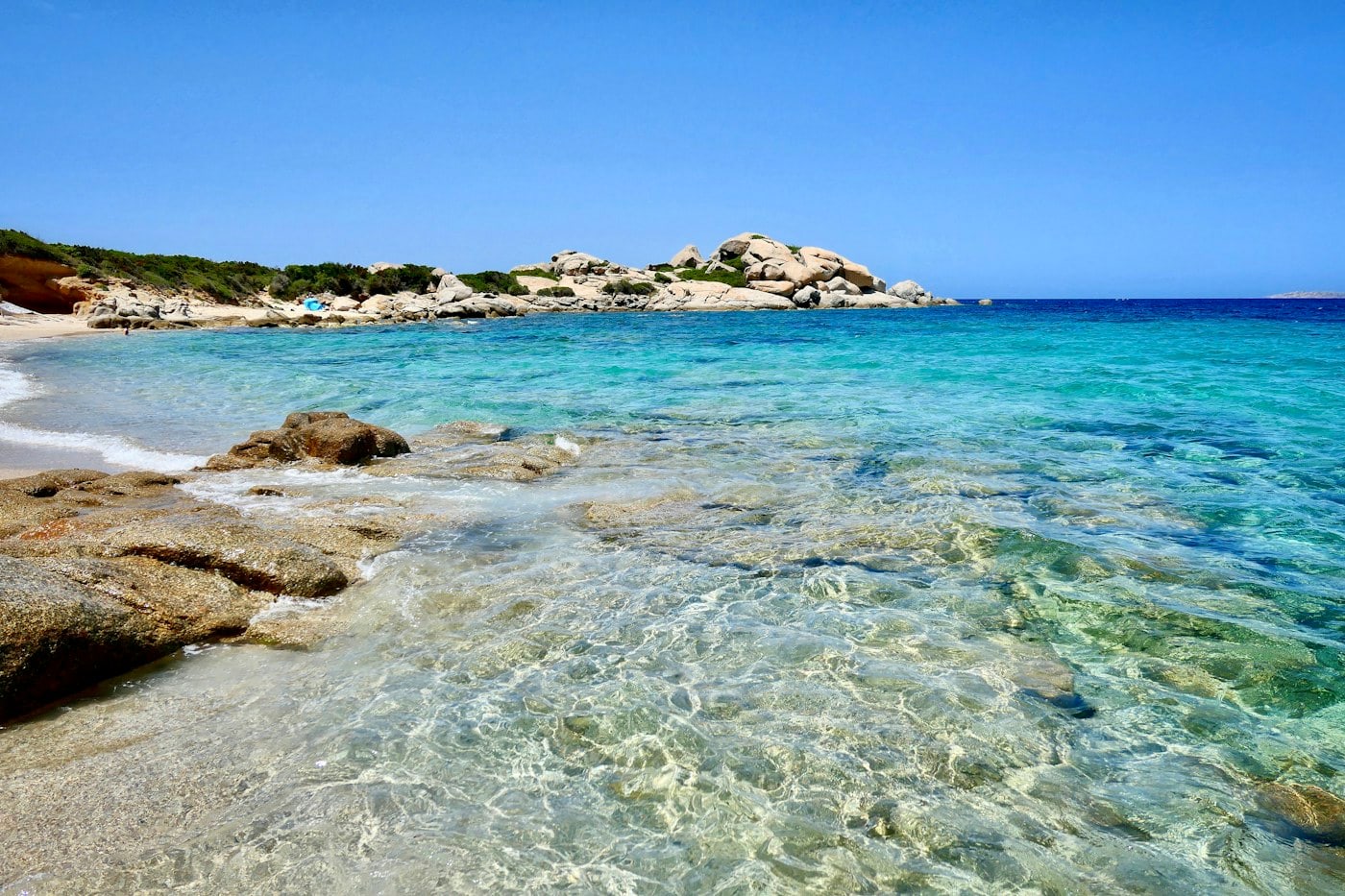
A beach outing includes the approach, parking, the walk to the shore, and the return. Some stretches are straightforward; others involve managed access or a longer path. Check the exact destination before leaving, and keep a second suitable option in the same area. Driving across the island because a first-choice beach is busy rarely improves the day.
Before choosing a remote-looking beach, ask what you want from the day. An easy approach and nearby services may be more valuable than isolation, especially for a group with mixed needs. Check whether access is managed, whether reservations apply, and what the walk involves. Do not assume that a crowded first choice makes the nearest unofficial path a good alternative. Another established beach in the same area may be more enjoyable, and a shorter outing can leave time for a town walk afterward.
Treat the Gulf of Orosei as a separate plan
The Gulf of Orosei is known for dramatic limestone and coves that are not all reached by an ordinary roadside walk. Boat outings and inland approaches have different practical demands. Confirm current arrangements with legitimate operators or official route information, and choose according to conditions and your own abilities. The photograph alone does not explain how a place is accessed.
For an excursion on the Gulf of Orosei, compare the actual day offered rather than only the list of coves. How long is spent traveling, how are stops organized, and what happens when conditions change? If considering a walking approach, use a reliable official description or suitable local expertise. Limestone terrain can make the relationship between distance and effort less obvious. Choose the outing that fits your experience and interests, and resist turning access to a particular photograph into the sole measure of a successful day.
Go inland for context
An inland stop changes the story from beaches alone to an island with farms, towns, craft traditions, and archaeological places. Choose a specific village or officially managed site near your route rather than adding a vague detour. If visiting a nuraghe, use the interpretation available and respect barriers. Historical structures are more rewarding when their setting and uncertainty are acknowledged.
An archaeological visit works best with interpretation and a limited plan. Learn the name and context of the place, then allow time to look at its construction and setting. Do not climb or enter spaces unless visitor access explicitly allows it. In a nearby village, choose a public square or welcoming business as a place to pause rather than wandering into private areas. The inland interval should have its own reason to exist, not simply fill a gap when the coast is busy.
Make room for ordinary meals
Coastal menus are only one part of Sardinian food. Bread, pasta, cheeses, and preparations linked to inland traditions can broaden a trip built around the sea. Ask what a kitchen is preparing rather than demanding a dish found in an old travel account. A longer lunch also creates a natural pause between a morning walk and a quieter evening in town.
A regional meal need not be elaborate. Read the menu, ask what is available, and choose a combination that makes sense for the rest of the day. If you have already had a substantial lunch, a simpler evening can be more enjoyable than another large order. Food also offers a reason to stop in a town that would otherwise be passed on the road. Give that stop enough time to feel like part of the journey rather than an interruption between the supposedly important coastal sights.
Keep driving days separate from long outings
Winding roads and occasional stops make a transfer feel different from its map estimate. Avoid planning a long drive after an exhausting beach approach or a demanding walk. Place overnight stops where they support the next morning, and ask about parking at accommodation. Arriving with time to walk through the neighborhood is often more useful than squeezing in one extra viewpoint.
On a transfer day, choose one meaningful stop and keep the rest flexible. Arranging several fixed visits can make every delay feel costly, while a single anchor gives the route structure without crowding it. Confirm parking and check-in arrangements at the next base before leaving. If the drive takes longer than expected, let the optional stops go. Reaching the destination with time to walk, obtain food, and settle in is often more valuable than arriving with a longer list of viewpoints but no energy left to enjoy the evening.
Finish with a coast you already know
A final day near the departure area can still be a rewarding travel day. Return to a favorite waterfront, choose an easy beach, or spend longer in a town passed earlier. This makes room for changing weather and avoids placing a remote excursion immediately before onward transport. Familiarity can be a pleasure, especially on an island where the temptation to keep moving is strong.
The last stage of a Sardinian trip can focus on ease without feeling anticlimactic. A familiar promenade or nearby beach carries the knowledge acquired during the stay: you understand the access, know where to eat, and can judge how long to linger. Keep the next day’s transport practicalities settled, then let the final hours remain open. The island’s size means that something will always remain unseen. Accepting that is what allows the part you do visit to become more than a hurried circuit.
A two-base alternative to the complete circuit
A northwest-focused Sardinian stay can use Alghero and a second suitable coastal base rather than circling the island. An eastern stay can give more space to the Gulf of Orosei and nearby inland places. A northeastern trip can take another form again. The choice should follow the arrival point and the kind of coast you want, not a belief that a first visit must include every region. Two well-chosen bases can produce considerable variety while reducing packing and the number of long transfer days.
Within each stay, alternate a beach outing with a town or inland visit. This creates options when conditions or access change and prevents the trip from depending on a single kind of experience. Check current arrangements for managed beaches, archaeological places, and boat outings separately. A vehicle makes movement possible, but it does not remove the need to assess the final approach or the suitability of a road. Use rental guidance and official route information rather than assuming every scenic detour is straightforward.
The final day should be geographically kind to the onward journey. Return to a nearby shore, give Alghero or another departure-area town more time, and keep shopping modest enough that packing remains easy. It is better to leave with a clear impression of one region than a vague memory of having driven around the whole island. Sardinia’s different coasts can remain reasons to return. A first journey succeeds when its route makes space for real afternoons beside the water and ordinary evenings in the places between the beaches.
Do not use an Alghero arrival to assume that an east-coast cove is a convenient first afternoon. Check the actual road journey and the final approach, then decide where the overnight base should be. Sardinia’s outline makes distant coasts look temptingly connected. The trip improves when the first day introduces the region you are already in instead of immediately driving away from it.