Western Crete beyond the Beach Checklist
Western Crete works best when its beaches are treated as part of a larger landscape. Mountains rise behind the coast, roads take time to cross the folds of the island, and an old harbor can hold an entire afternoon.
A journey with room to notice
Western Crete works best when its beaches are treated as part of a larger landscape. Mountains rise behind the coast, roads take time to cross the folds of the island, and an old harbor can hold an entire afternoon. The temptation is to chase a sequence of famous shorelines. A more satisfying plan combines one or two of those outings with town walks, ordinary meals, and enough time to understand the distance between places.
Begin with Chania on foot
Chania’s old town and Venetian harbor are rewarding at walking speed. The waterfront is an obvious starting point, but small streets behind it reveal how the town functions beyond the main view. Choose a few blocks to explore rather than repeatedly circling the busiest edge. Remember that historic lanes also contain homes and workplaces, and avoid blocking entrances while stopping to look.
The old harbor is easiest to understand when you alternate the broad waterfront with streets behind it. Notice where a lane opens into a small square and where a shop serves ordinary needs rather than visitors alone. If you plan to see a museum or historic building, give it a clear place in the day instead of entering simply because the door is nearby. A relaxed first walk makes later evenings easier: you learn a few routes, find practical services, and stop relying on the busiest waterfront path for every journey.
Choose beaches by the journey
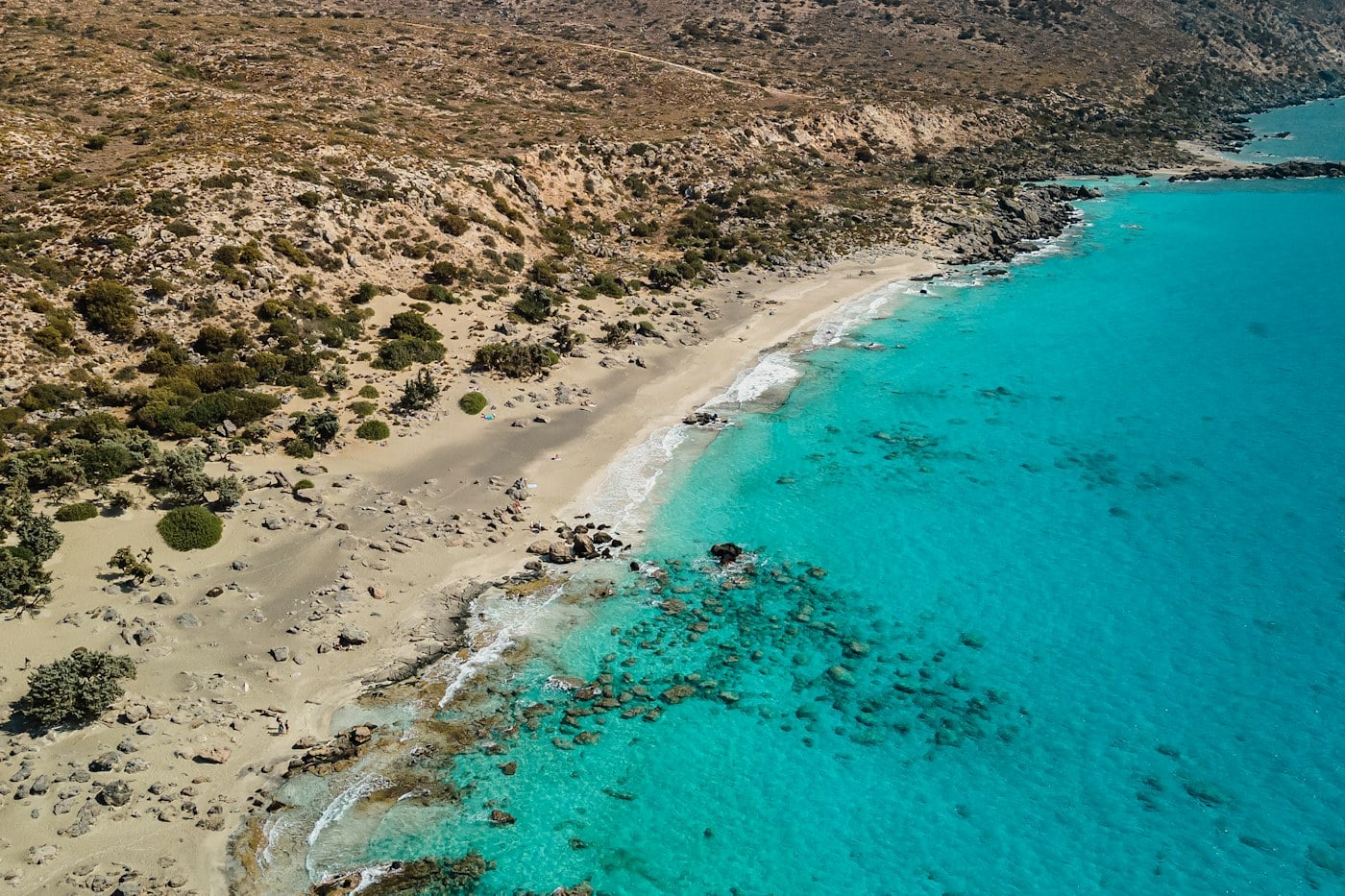
Balos, Elafonisi, and Falassarna are different outings rather than interchangeable stops on a single easy loop. Consider the approach, terrain, facilities, and return journey before deciding which fits your day. Check current official access guidance and your rental conditions where roads are involved. A beautiful beach can become a tiring excursion if its logistics are treated as an afterthought.
Choose a beach according to the effort you want to spend reaching it, not only the color of the water in photographs. A long approach can be worthwhile when it is the day’s main purpose, but less so when squeezed between other plans. Ask about facilities and current access rather than assuming there will be shade, food, or an easy return. Keep the outing self-contained enough that a change of conditions does not require an improvised drive to the far side of western Crete.
Protect the details of the shore
Dunes, plants, and unusual sand are part of the coast’s character. Use designated paths, respect protected areas, and leave stones, shells, and sand where they belong. Do not move into restricted ground for a quieter photograph. A modest adjustment to where you sit or walk helps preserve the very qualities that make a beach worth visiting.
Protected coastal features are often easiest to damage through ordinary behavior repeated by many visitors. A single shortcut through dune plants may look insignificant, but a path forms quickly when others follow it. Use the established approach even if it appears less direct. Avoid removing natural material as a souvenir, and keep belongings within the areas open for visitors. The most memorable part of a beach may be its delicate color or vegetation; leaving those details intact is part of enjoying them responsibly.
Understand the mountain crossing
A trip from the north coast to a southern village changes the scale of the day. Roads bend through mountain terrain, so the distance may take longer than a quick map glance suggests. Choose a route suited to your transport and comfort, and avoid pairing a long crossing with a demanding walk. The drive itself deserves occasional planned stops at appropriate places.
When planning a crossing, identify the destination that justifies it. Is the southern coast the main interest, or do you want to see a particular village along the way? That answer helps determine whether to return the same day or stay overnight. Allow time for bends, changing gradients, and appropriate stops. Do not assume a road that looks minor is a scenic shortcut suitable for your vehicle. The local rental agreement and current route information are more useful than a navigation app’s shortest suggestion.
Give a south-coast village time
Paleochora offers a different rhythm from the northern harbor towns, with sea on more than one side and a compact center suited to walking. A night or two can make more sense than a distant lunch stop. Use the village as a base for a gentle exploration of the nearby coast, keeping current transport arrangements separate from assumptions based on seasonal travel accounts.
A stay in Paleochora allows the day to begin before any transfer is necessary. Walk through the center, compare the character of the nearby shorelines, and choose a modest outing rather than immediately driving away. If a coastal boat connection interests you, verify the exact operating information for the intended day and season. Do not build the entire stay around a service mentioned in an old account. A village base is valuable because it makes simple days possible, not only because it unlocks more complicated excursions.
Treat a gorge walk as its own undertaking
Crete’s gorges are often presented as essential experiences, but they require attention to access, conditions, transport, and the full distance involved. The Samaria Gorge in particular is not a casual addition to a beach day. Consult the official managing authority before making plans, and choose a less demanding alternative if the route does not fit your experience or available time.
For a substantial gorge walk, the return is as important as the descent or crossing. Understand where the route ends, what transport is involved, and what happens if access changes. Read the managing authority’s current information before purchasing linked arrangements. If your group has different levels of experience, discuss the decision openly instead of allowing the most enthusiastic person to set the plan. There are many ways to appreciate the White Mountains and western Crete without treating a single famous route as compulsory.
Let meals introduce the island
Look for meals that fit the day rather than a hunt for a single supposedly perfect restaurant. Vegetables, olive oil, pulses, cheeses, and local baking can help make sense of Cretan food as an everyday culture. Ask what is available and in season, and order a manageable amount. A relaxed table after a short walk often tells you more than a rushed meal between attractions.
Food can help connect coastal travel with the island’s cultivated interior. Ask about the vegetables, bread, or cheese on the table without expecting a long explanation during a busy service. Choose a meal that matches your appetite and leave space between substantial lunches and dinners. A quiet neighborhood table may offer a more enjoyable evening than an elaborate search for a supposedly definitive address. What matters is the combination of care, welcome, and a pace that allows you to notice what you are eating.
Leave a final day near the base
A flexible day in or near Chania can absorb weather changes or simply allow a return to a favorite street. It is also useful before an onward journey, when a distant beach or mountain crossing adds unnecessary uncertainty. Travel feels more generous when the last afternoon contains room for a swim, a book, or a familiar café rather than an unfinished list.
A spare day is not wasted capacity. It lets you revisit a beach that suited you, see a part of Chania you missed, or simply rest after a mountain crossing. Keep the outline local and allow the day’s weather and energy to determine the details. If nothing needs rescuing, that is an advantage rather than a reason to add a distant drive. The final afternoon can be the moment when western Crete feels like somewhere you have spent time, rather than a sequence of places you have passed through.
Link town, mountains, and southern water
A western-Crete visit can be organized around contrasts instead of a daily beach competition. Begin with Chania’s streets and harbor. Give one separate day to a carefully selected beach excursion, then consider whether a mountain crossing and a south-coast stay fit the remaining time. If they do not, remain in the north and explore more locally. The important distinction is between a coherent regional visit and a plan whose variety exists mainly through long hours in the car.
When a gorge is part of the intention, settle its full logistics before arranging the surrounding days. Consult the official authority for access and conditions, identify the route’s endpoint and return, and avoid pairing it with a demanding transfer. If a gorge is not suitable, do not search for an unofficial substitute simply to preserve the idea of an adventurous day. A village walk, a managed cultural visit, or a shorter coastal outing can still connect the landscape with the island’s ordinary life.
Meals and evenings should help the sequence make sense. A town dinner after a beach day, a relaxed table after reaching a south-coast village, and a final easy evening in Chania each serve a different purpose. Keep them near the place you are actually staying rather than driving farther in pursuit of a recommendation. The resulting journey may include fewer named attractions, but it will give western Crete a clearer shape: harbor town, cultivated interior, mountain barrier, and the different rhythm of the southern shore.
A beach day near Chania and a stay in Paleochora belong to different practical scales. The first can return to a familiar northern base; the second may be more enjoyable when the south coast becomes a base itself. Comparing those alternatives before booking can remove an unnecessary mountain return and leave time for the village evening that a day-trip schedule would miss.